The 21,9% of online purchases are collected away from home: how to manage payments
The 21,9% of online purchases are collected away from home: how to manage payments
- Information
According to the NetRetail 2026 survey, 21,9% of online purchases of products are collected from shops, collection points or lockers, while 94% of online purchases have already been paid for when the order is placed. It is therefore important for small businesses to organise deliveries and distinguish orders that have already been paid for from those for which payment is due later.
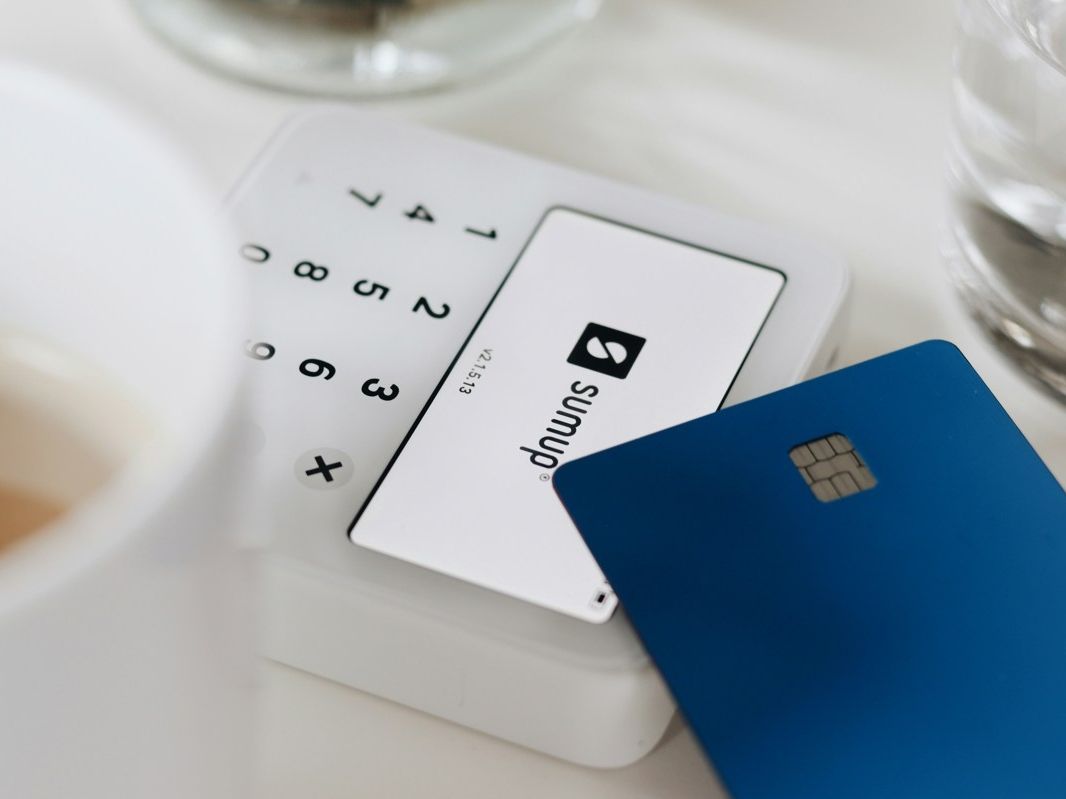
When a customer buys a product online, they do not necessarily choose to have it delivered directly to their home. A household appliance, for example, can be collected from a shop or delivered to the customer's home along with an installation service. In either case, it is important to know which products were purchased, which services are included and how much has already been paid. If there is still a balance to collect, a portable POS makes it possible to take payment away from the till and can be useful for anyone providing installation, maintenance or repair services. When assessing professional POS solutions, consider where payments are collected and whether contactless payments are accepted.
How online purchases are collected and paid for
21,9% of online purchases of products are collected away from home, but where do these collections take place?
- 12% of purchases are delivered to collection points
- 5,4% through lockers
- 4,5% at retail outlets
So, more than one in five online purchases involves collecting the goods somewhere other than the customer's home. The NetRetail survey indicates that 94% of online purchases are paid for when the order is placed, and only 6% are paid for later.
For a shop that allows customers to buy online and collect in store, this means that not every customer will need to pay when their order is delivered. If the product has already been paid for, the staff member simply needs to check the order, hand over the goods and record the collection.
Mobile POS for deliveries and home services
The ability to take payments away from the shop is particularly useful for businesses that offer extra services in addition to selling products.
A furniture retailer, for example, might arrange for the balance to be paid once assembly is complete. A repair workshop, on the other hand, might take payment when returning the appliance to the customer.
In these cases, a mobile POS allows the person in charge to take payment at the location where the work is completed, without asking the customer to come to the shop. In addition, a component might be missing during a delivery or service call, or the customer might request a change. In such cases, the amount payable might also change.
What information is needed to manage a delivery
To organise orders correctly, it is useful to prepare a form to accompany the delivery or service call. The document should contain all the information needed to understand what must be delivered, which tasks are planned and whether the amount is still due.
- Order or job reference: links the payment to the sale or service call.
- Included products and services: also specify any changes that have been approved.
- Total amount: distinguish deposits already received from the balance still due.
- Person or party responsible for collecting payment: the contact to reach if any checks are needed.
- Delivery and payment outcome: indicate whether the work has been completed and whether the transaction was successful.
The warehouse must also receive up-to-date information, especially when some of the products are returned or still need to be delivered.
Choosing a mobile POS for working away from the shop
Before buying a POS, you should also consider the conditions in which it will be used. Professional POS solutions include readers connected to a smartphone as well as standalone terminals that work without being paired with the operator's phone. The choice therefore depends on the type of work and the locations where payments are collected.
Another aspect to consider is the payment methods accepted. Check that contactless payments are available, along with the supported card schemes and any compatible digital wallets.
Check whether the system improves order management
According to the Observatories of the Politecnico di Milano, in 2025 retailers' digital investments reached 4,7% of turnover, compared with 3,2% in 2024.
For a small business, the usefulness of a new tool should be assessed primarily in terms of the problems it can solve. A mobile POS, for example, can help reduce the number of outstanding payments, simplify payment collection during deliveries and make it easier to trace the transactions carried out.
But how can you tell whether the system is really working?
One first step is to use it for a limited number of deliveries or service calls, so that any difficulties that arise can be identified. Then, after a few weeks, it is a good idea to check how many jobs have been completed without having to call the customer back, how many payments remain outstanding and what problems occurred during deliveries.
This article was translated from the original Italian version with the assistance of artificial intelligence. In case of discrepancies, please refer to the original Italian version.