Circana: in the South, the hauliers’ strike did not lead to a decline in consumption in modern retail
Circana: in the South, the hauliers’ strike did not lead to a decline in consumption in modern retail
- Information
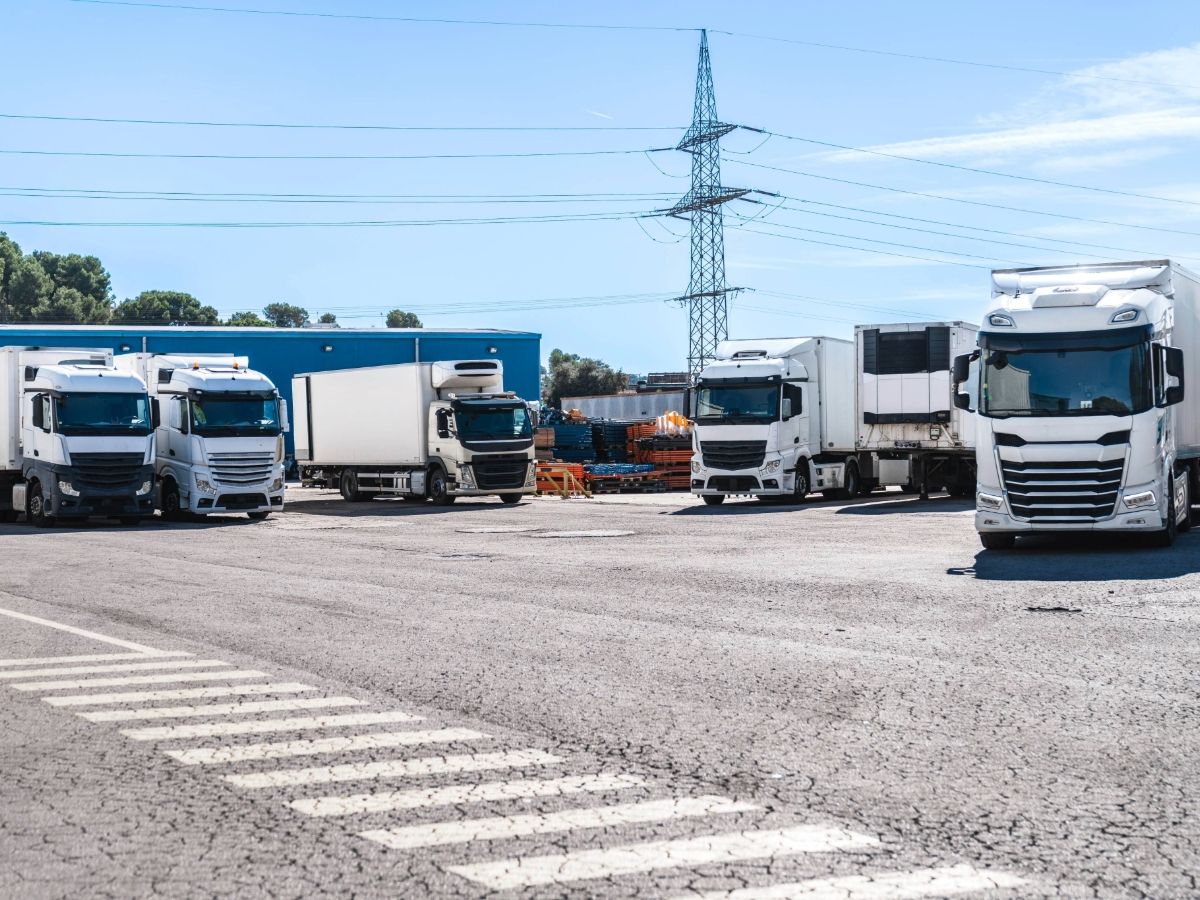
According to data from Circana, contrary to expectations, the hauliers’ strikes that affected several areas of southern Italy during the week of 19-25 October did not lead to a decline in consumption in modern retail.
The analysis shows that the South recorded a growth in sales of 2,3% in value compared with the same period in 2025, with volumes remaining substantially stable (+0,3%).
The various sectors
However, supply difficulties affected the various sectors differently. The categories most dependent on frequent replenishment and fresh products recorded the largest declines: meat (-27,1%), fruit and vegetables (-17,4%) and fresh milk (-5,8%).
By contrast, consumers shifted their purchases towards products with a longer shelf life, supporting growth in grocery (+7,0%) and frozen foods (+11,8%). Among the most dynamic categories were flour (+50,8%), tomato products (+31,5%), pasta (+27,1%), frozen products (+12,4%) and toilet paper (+7,9%).
The data suggest that, in response to logistical tensions, consumers adopted more cautious, stockpiling-oriented behaviour, prioritising products that could be stored easily without, however, reducing overall spending.
The comment
Marco Limona, senior CPG director at Circana Italy, said: "Circana data show that, in the week ending on 1° November, the southern market was still being affected by supply difficulties. Sales were stable in value (+0,0%) and showed slight growth in volume (+0,2%), one of the weakest results of the year.
Compared with the most critical days of the mobilisation, however, a reversal in consumption dynamics emerged: fruit and vegetables and fresh products regained ground thanks to the gradual return of supply to normal, while the categories that had benefited from stockpiling purchases slowed down. The comparison with the year-to-date figure, which was decidedly more positive (+2,7% in value), confirms that the effects of logistical tensions continued to influence the market even after the emergency phase.
The return to normality towards the end of the week enabled shoppers to catch up on purchases of the categories that had suffered shortages and lower on-shelf availability the previous week. The strong rebound in fruit and vegetables in fact suggests that demand remained unmet during the days of the strike and began to materialise again as soon as supply started to return to normal".
This article was translated from the original Italian version with the assistance of artificial intelligence. In case of discrepancies, please refer to the original Italian version.