Unione Italiana Food sounds the climate alarm: the fresh-cut sector is losing up to 40% of its raw materials
Unione Italiana Food sounds the climate alarm: the fresh-cut sector is losing up to 40% of its raw materials
- Information
The Fourth and Fifth Range Fruit and Vegetables Products Group of Unione Italiana Food has sounded the climate alarm: raw materials with availability reduced by up to 30-40% and, for the most severely damaged crops, yield losses linked to increased selection and production waste in the order of 10-20%.
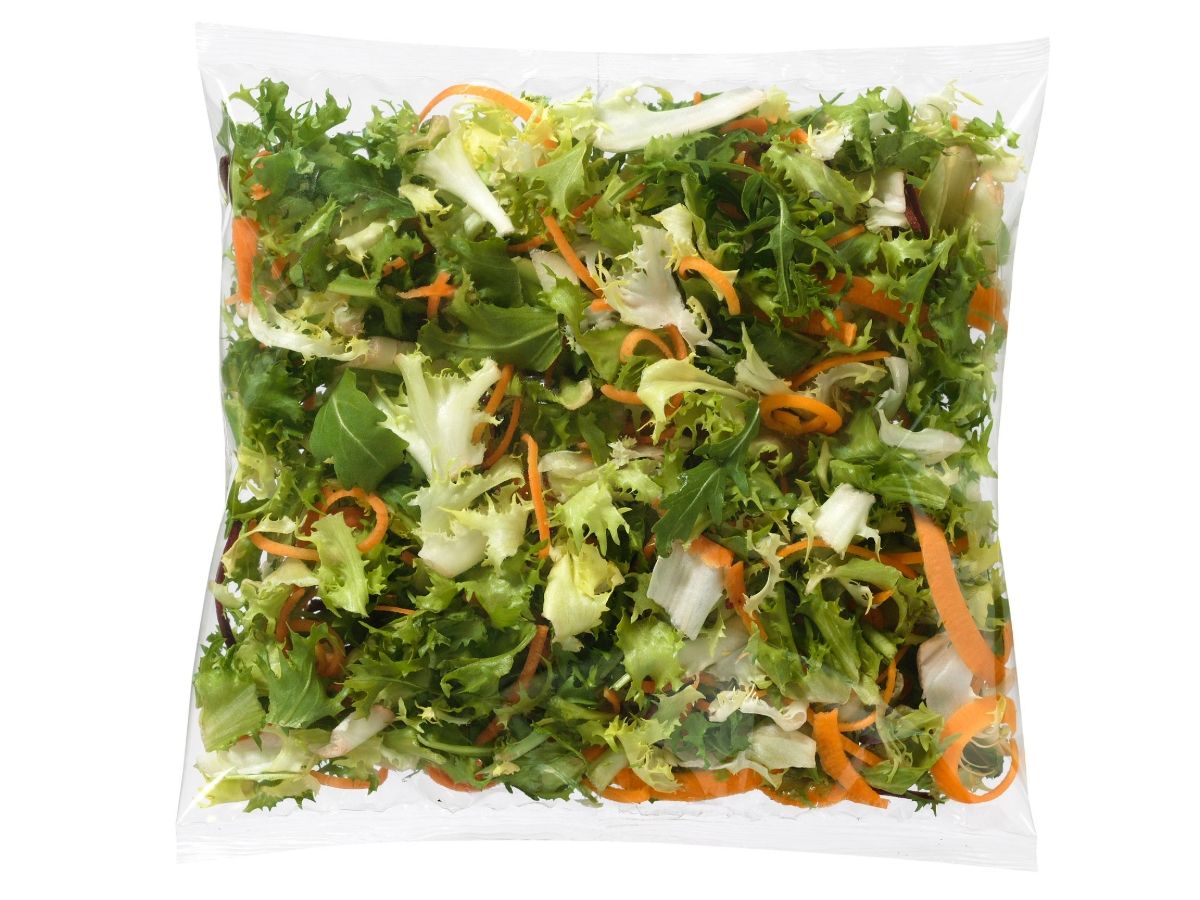
Since July, the availability of some of the main raw materials used by the sector has fallen sharply. The difficulties concern in particular chicory, endives, lettuces and spinach, but lamb’s lettuce, baby leaf, rocket and cabbages are also showing signs of severe distress. For some crops, moreover, the situation could deteriorate further in the coming weeks.
Increasingly difficult climatic conditions
At the root of this is an increasingly difficult combination to manage: high temperatures, prolonged drought, irregular water availability and unpredictable weather events that are simultaneously affecting numerous production areas in Italy and Europe.
“What we are facing can no longer be considered merely a seasonal problem, but a structural crisis problem,” says Simone Zerbinati, president of the Fourth and Fifth Range Fruit and Vegetables Products Group of Unione Italiana Food. “Changing climatic conditions are making the availability of raw materials increasingly inconsistent and difficult to plan for, creating shortages of products on shelves. Our companies are doing everything possible to ensure continuity of supplies and the high quality standards required by the market, but we must acknowledge that we are entering a scenario that is profoundly different from the past.”
The market
The size of the sector makes what is happening even more significant. According to Unione Italiana Food’s analysis of NielsenIQ data, the ready-to-eat fruit and vegetable sector, known as the fresh-cut sector, is worth approximately 1,2 billion euros, with penetration reaching 85%.
Waste increases and yields decrease
In the most severely affected crops, there is a reduction in yield in the order of 10-20%, with a significant impact on the efficiency and economic sustainability of companies. In other words, not only does less produce arrive from the fields, but of what does arrive, the proportion that must be discarded because it cannot be used for fresh-cut production increases: this is an effect that is barely visible outside the supply chain, but extremely significant for companies.
The crisis reaches the shelves
The difficulty is no longer confined to fields or facilities: it has reached the shelves. Some supermarket chains have already put up notices in their stores informing consumers of the temporary shortage or unavailability of certain fresh-cut products. This is the most immediate and tangible manifestation of a supply crisis affecting the entire supply chain, which is also being seen in other European countries.
This situation serves as a reminder of an essential point: behind every pack of fresh-cut fruit and vegetables there is, first and foremost, an agricultural product. Consumers are accustomed to finding fresh products on shelves throughout the year, but continuity of supply depends on the availability of crops and therefore, inevitably, on the climatic conditions in which they are grown.
The comment
The sector’s concern extends well beyond the end of summer 2026. The increasing frequency and intensity of extreme heat, drought and unpredictable weather events make it necessary to prepare for more limited availability of raw materials.
“We must move away from the idea that every climate crisis is an isolated emergency destined to be resolved within a few months,” continues Simone Zerbinati. “We must prepare for the possibility that these conditions will recur in 2027 and in the years that follow. The real challenge is not merely to get through the coming weeks, but to put the supply chain in a position to continue guaranteeing the availability and quality of fresh-cut products in the future.”
A new supply-chain pact is needed
For the Fourth and Fifth Range Fruit and Vegetables Products Group of Unione Italiana Food, the new scenario requires stronger dialogue and cooperation throughout the entire supply chain: from agricultural production to processing, from logistics through to distribution.
Promptly sharing critical issues, improving supply planning, optimising transport and adapting supply to actual agricultural availability are becoming essential to address a situation that can no longer be managed exclusively through emergency measures.
It is not possible to control an increasingly unpredictable climate, but it is advisable to change the way the supply chain prepares for and responds to its consequences. Adapting to new scenarios will become increasingly important to protect the sustainability of companies and continue to guarantee consumers fresh, safe and high-quality products throughout the year.
This article was translated from the original Italian version with the assistance of artificial intelligence. In case of discrepancies, please refer to the original Italian version.