
Frozen foods: in 2023 the one-million-tonne threshold was exceeded
Frozen foods: in 2023 the one-million-tonne threshold was exceeded
- Information
by Federica Bartoli
More than one million tonnes of frozen products were consumed in 2023 (1.16.358), with slight volume growth compared with 2022 (+0,14%) and a new all-time high in annual per-capita consumption which, for the first time, exceeded the 17-kilogram threshold, reaching 17,2 (+2,4% vs. 2022), for a market value of 5,8 billion euros, up from more than 5,4 billion the previous year (+6,5%).
These are the figures which, in 2023, drove the frozen food sector to reach peaks never previously touched, led by the out-of-home channel, which recorded growth of 5,3% compared with the previous year, offsetting both the small decline in retail (-1,1%) and the more significant declines in door-to-door (-8%) and e-commerce (-5%). This is what emerges from the “Annual report on frozen product consumption”, produced by Iias - Istituto italiano alimenti surgelati, to provide a snapshot of the performance of the sector in Italy over the past year.
“2023 was a year of monumental challenges: from the procurement of raw materials, hindered in the early months of the year by extreme weather events such as drought, to the serious difficulties encountered in logistics and transport worldwide, and the relentless rise in inflation, which was particularly damaging in the food sector,” explains Iias president Giorgio Donegani. “Despite these critical issues, 2023 ended positively, thanks above all to the strong boost from the out-of-home channel, which rebalanced the gap created with retail after the definitive exit from the two-year lockdown period (2020-2021), which had led to an exceptional boom in domestic consumption (+14% in 2021 compared with 2019). Surveys conducted during the first five months of 2024 also reveal encouraging figures for retail, indicating that purchases held up very well, with a very slight volume decline of 0,5% compared with the previous year (-1,1%). This positive figure is unsurprising, given Italians’ now unanimous appreciation of these products.”
In 2023, domestic consumption of frozen foods reached 644.075 tonnes, while out-of-home consumption reached 295.812. Adding the 66.971 from door-to-door and the 9.500 from e-commerce, it is clear that the frozen food sector recorded a new all-time high last year, surpassing the threshold of one million tonnes consumed, for a market value of 5,8 billion euros (+6,5% vs. 2022).
This confirms the growing strength of the sector which, despite the numerous challenges encountered in recent years—from the pandemic to the energy crisis, from the surge in raw material prices to the deterioration of international relations—has demonstrated great stability.
Indeed, although the retail channel recorded a slight volume decrease vs. 2022 (-1,1%)—largely anticipated after years of exceptional expansion—the penetration of frozen products among Italian households nevertheless remained high, with domestic consumption increasing by almost ten percentage points (+9,4%) compared with pre-pandemic levels (2019) (Iias data, February 2024).
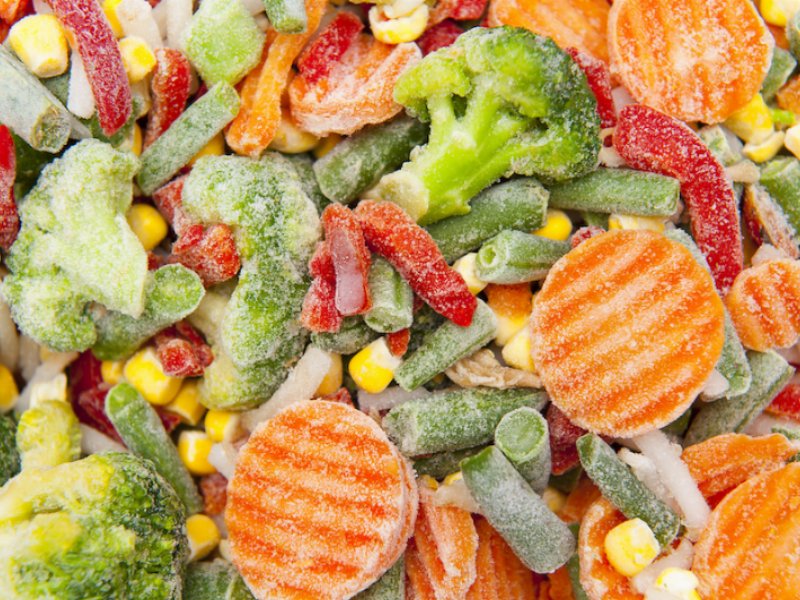
Looking in detail at the individual product categories, in 2023 vegetables once again confirmed their leadership in terms of volumes consumed in retail, with more than 215 thousand tonnes (despite a slight decrease compared with 2022 of -1,9%). Prepared vegetables (at 22.380 tonnes), on the other hand, recorded a fully positive performance, achieving +3,7% vs. 2022 and once again reaffirming the role of frozen vegetables as comfort food, chosen for their ability to meet the demand for wellbeing and the high nutritional content that have always accompanied them.
Taste and ease of preparation are instead the qualities that have propelled frozen potatoes into second place among Italians’ preferences. In 2023, potatoes recorded the most positive performance in the sector, with approximately 110.500 tonnes purchased and growth of 8% vs. 2022 (102.400 tonnes).
Safe, nutritious and easy to prepare, frozen fish products took third place on the podium, reaching 92.500 tonnes, comprising breaded prepared fish (more than 33 thousand tonnes) and natural fish (59 thousand). In fourth place in the ranking come ready meals, namely first and main courses, prepared side dishes and foods with plant proteins, which reached more than 66.600 tonnes (recording a slight decline of 1,1% compared with the nearly 67.500 tonnes in 2022). The high quality of the ingredients, both traditional and innovative recipes, speed of preparation and attention to nutritional balance are confirmed as the key factors behind their success among Italian households.
Frozen pizzas deserve a separate mention: on the one hand, in 2023 they reached 63.500 tonnes, a decrease of 6,2% compared with the nearly 68 thousand tonnes in 2022; on the other hand, this reduction is essentially attributable to the recovery in out-of-home consumption. It should nevertheless be noted that this segment continues to innovate, introducing, for example, new formats and ingredients in order to keep pace with consumers’ changing needs.
Finally, savoury specialities (pancakes and other products) should not be forgotten; they maintained a level of 33.300 tonnes (with a slight decrease of 0,5% compared with the 33.400 tonnes in 2022) as did frozen meat, with 15.700 tonnes in 2023 (-3% vs. 2022).
Among the other segments, the positive performance of frozen bread and pasta stands out, recording an increase of 1,3% vs. 2022 and reaching more than 5.730 tonnes.
This article was translated from the original Italian version with the assistance of artificial intelligence. In case of discrepancies, please refer to the original Italian version.