The Inter Ikea balance sheet is suffering, but the group is investing 1,2 billion in affordability and innovation
The Inter Ikea balance sheet is suffering, but the group is investing 1,2 billion in affordability and innovation
- Information
Inter Ikea Group is seeing sell-out, EBIT and profit decline. These indicators have been affected by the price-containment strategy, but not only by that, with a total investment of 1,2 billion euros.
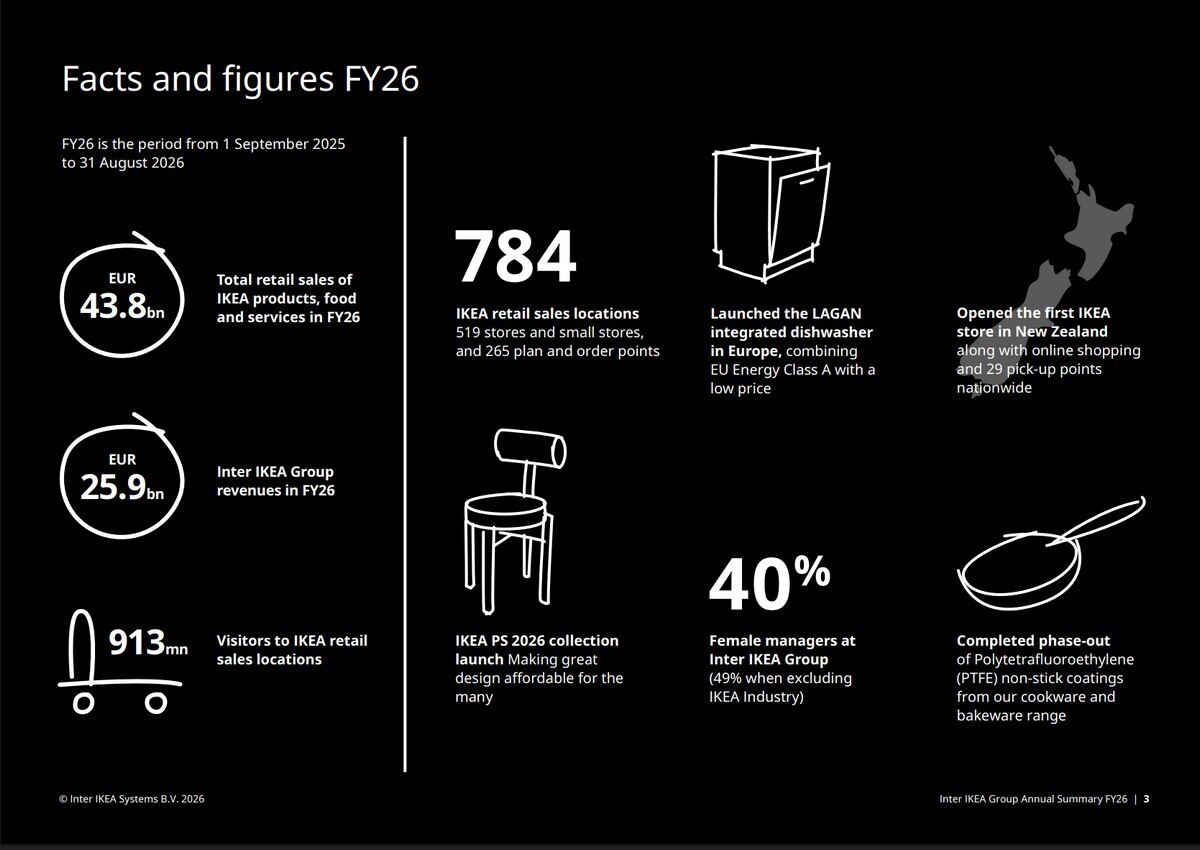
Sales fall to 43,8 billion euros, compared with 44,6 billion in fiscal year 2025, despite this summing the results of all 13 major franchisors and including the entire range of home furnishings, food products and services.
Revenue, EBIT and profit decline
Revenue falls to 25,9 billion euros (26,3 previously), operating profit falls to 1,5 billion euros (it was 1,7 billion euros), while net profit now stands at 1,4 billion, compared with 1,5 billion in the previous financial year.
According to Jakub Jankowski, CEO of Inter Ikea: “We are determined to make the Ikea brand even more accessible to as many people as possible. Our business model is based on a simple idea: high volumes and low costs enable us to offer low prices. Sales have remained stable in recent years, despite difficult market conditions. But to reach more people with affordable furnishing ranges, we need to return to growth. In fiscal year 2026, we took important steps to strengthen the business, create the conditions for renewed growth and enable ourselves to increase affordability”.
Ikea's efforts: from innovation to omnichannel retail
The Swedish giant's efforts have meanwhile focused on the launches of as many as 2.900 new and/or redesigned products, covering 8 collections and giving rise to more experimental and modern design ideas.
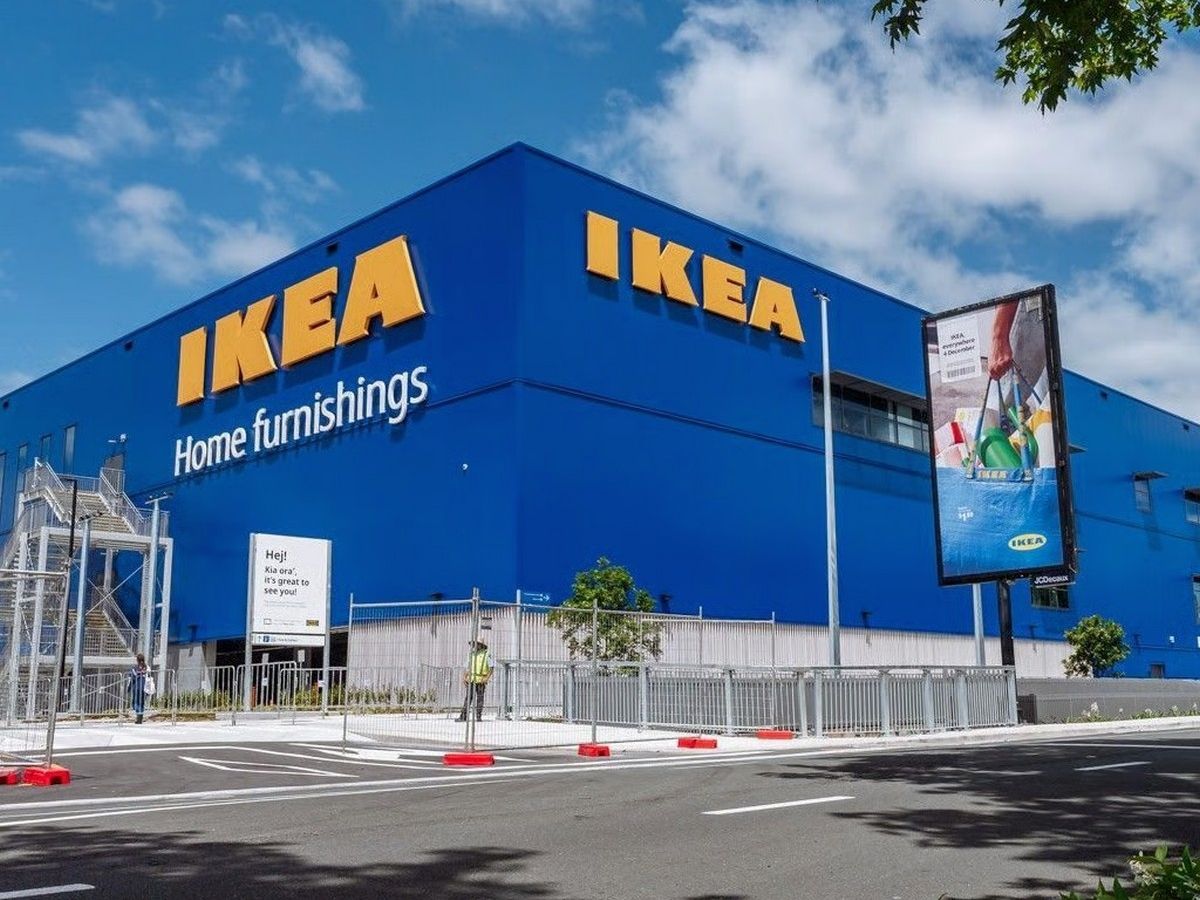
At the same time, in 2026, Ikea retailers continued to expand their presence in existing markets through new small-format stores and opened the first Ikea in New Zealand, while also increasing internationally the number of e-commerce sites and 'Plan & order points”.
Taken together, these measures represent, as mentioned, a total contribution of around 1,2 billion euros.
Changes to the network and staff reductions
At the same time, difficult decisions were taken in some markets, including the closure of several stores.
To address the internal complexity and fragmentation of the organisation, Inter Ikea Group made changes that included a reduction in the workforce of 850 people on a global scale.
“These are not measures taken lightly – the CEO continues – but they stem from clear objectives and the desire to create a simpler organisation that enables us to make decisions more quickly and reduce costs further, creating better conditions for the customer and, precisely, maintaining a price scale focused on protecting purchasing power”.
Sustainability full steam ahead
The Swedish giant's environmental profile has improved again, and significantly. In fiscal year 2026, total greenhouse gas emissions decreased by 8% compared with 2025. Over the same period, 100% of the electricity used in operations came from renewable sources.
Green energy production at Ikea sites increased by as much as 46%, supported by the expansion of solar installations.
The group continued to focus on using recycled and renewable materials. For example, the proportion of recycled cotton rose to 50% for various selected textile products, such as cushion covers and bed linen.
Finally, at the Ikea Industry facility in Zbąszynek, Poland, the construction of a new facility that will transform wood waste from Ikea production into materials for new products has begun.
This article was translated from the original Italian version with the assistance of artificial intelligence. In case of discrepancies, please refer to the original Italian version.