Worldcoo: charitable rounding as a value-generating tool for modern retail
Worldcoo: charitable rounding as a value-generating tool for modern retail
- Information
Transforming an everyday, simple action such as grocery shopping into an act with social impact. This is the mission of Worldcoo, the international platform founded in Spain and active in charitable micro-donations which arrived in Italy at the beginning of 2026.
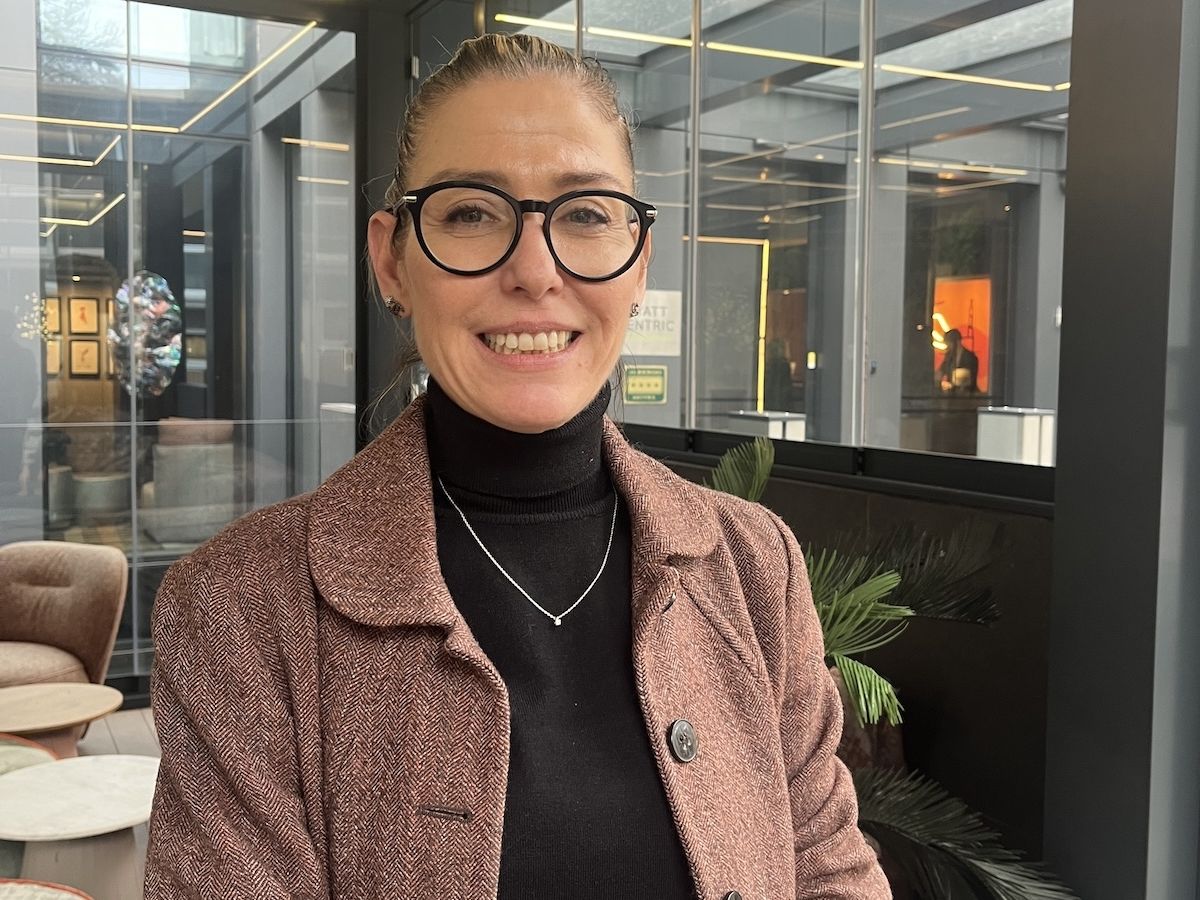
Operations began thanks to a partnership with Gruppo Romano Cds – part of the Selex Group –, but new players in Italian modern retail are showing interest in charitable rounding as a way of demonstrating their social commitment in concrete terms, while Worldcoo is also working to involve new distribution sectors, as explained by Rossella Antelmi, Worldcoo’s Business Director for Italy.
How does the micro-donation mechanism work in practice?
Charitable rounding allows customers to make a small donation at the time of payment, generally by rounding up the receipt total or donating a predefined amount. The rounding rules are defined with the retailer hosting the project and its implementation, and are developed according to the average receipt value in the relevant retail sector. It is therefore a simple, quick and accessible gesture for everyone. Retailers play a fundamental role in our projects because they make their network of stores and their daily relationship with millions of consumers available, transforming every purchase into a concrete opportunity to generate a positive social impact.
What are Worldcoo’s current international figures, and how important is the Italian market within your development strategy?
Worldcoo has exceeded 23 million euros in donations collected internationally, funding more than 1.100 social projects and directly benefiting more than million people 3 . The average donation is approximatelycents, demonstrating how small gestures repeated millions of times can generate major change. 20 Italy is currently one of the markets with the greatest growth potential. Although the micro-donation model is already well established in other European countries, in Italy we are still in a phase of strong development and awareness-building, with considerable room for expansion, particularly in the modern retail.
Which modern retail chains have you worked with in Italy so far?
Our most established partnership is with Gruppo Romano Cds, with which we have collected more than 125.000 euros through approximately 500.000 donations made by customers. Together, we have carried out five charitable campaigns that have generated an overall impact on approximately 60.000 direct and indirect beneficiaries. These results demonstrate how even micro-donations of just a few cents can translate into concrete projects with significant social value for the communities involved. More recently, Panarello – a long-established Sicilian modern retail business operating under the Max Supermercati and Famila Superstore brands –, has also joined, choosing to integrate charitable rounding into its social responsibility strategy. Another positive signal comes from the Selex Group, which has expressed interest in the project by requesting a presentation of charitable rounding to its 18 associated companies.
Why should a retailer choose to adopt a micro-donation system?
Charitable rounding enables retailers to transform an everyday gesture into an action that creates shared value, involving customers, employees and the local area. Companies are now expected to demonstrate their social and environmental commitment in concrete terms. Micro-donations are a simple, measurable and participatory tool that strengthens relationships with local communities, encourages customer engagement and contributes to the company’s ESG objectives. Charitable rounding is not merely a fundraising initiative, but a concrete ESG tool that strengthens the connection between the retailer, its customers and the local area, generating measurable social impact and reputational value. Moreover, because the donation is voluntary and very small, it encourages a high level of participation without affecting the shopping experience.
What makes a micro-donation campaign in a store effective?
Effectiveness depends mainly on three factors: simplicity, transparency and proximity. Customers must immediately understand the project they are supporting, know how the funds will be used and perceive the concrete value of their donation. The involvement of store staff is also essential: when employees understand the meaning of the initiative and communicate it with conviction, results improve significantly. Finally, reporting on the impact generated is essential for maintaining high levels of consumer trust.
Which third-sector organisations and associations do you work with?
We work with local, national and international third-sector organisations operating in areas such as social inclusion, health, childhood, disability, education, international cooperation and combating poverty. All organisations and projects supported by Worldcoo undergo a rigorous assessment and approval process based on criteria relating to transparency, governance, reporting and the ability to generate impact, defined according to international standards. This gives our partners and consumers the assurance that every donation will be allocated to reliable, verified and measurable projects. Our experience also shows that consumers particularly appreciate projects that deliver tangible benefits to the communities where they live. Knowing that their donation is making a concrete contribution to improving the local area strengthens their sense of participation and their trust in the initiative.
What technologies do you use to manage the collection and reporting of donations?
Worldcoo provides a management platform that collects donation data via API communication integrated with retailers’ till systems and payment platforms. This makes it possible to collect, monitor and report on every donation accurately, securely and automatically. Transparency is ensured through certified processes, continuous campaign monitoring and detailed reports that enable retailers, beneficiary organisations and consumers to know the amount collected and the impact generated by the supported projects.
At the beginning of the year, you stated the goal of collecting one million euros in Italy by the end of 2026. How are you doing today?
The one-million-euro target remains our ambition and continues to represent the direction in which we are working. The Italian market is growing gradually. Social-impact projects require adoption times that must necessarily be integrated with companies’ commercial priorities, which are often focused on initiatives offering more immediate returns in terms of turnover. However, the results achieved with our current partners confirm the validity of the model. Considering that, with Gruppo Romano Cds alone, approximately 500.000 donations have been collected in just a few months, we believe that the arrival of new retailers and distribution groups could generate a highly significant multiplier effect on national fundraising. The arrival of Panarello and the interest shown by the Selex Group make us confident that we can significantly accelerate growth in the coming months.
Are you planning to enter other channels?
In addition to expanding our collaborations with new organised retail chains, we are working on new channels that could further broaden fundraising opportunities. One of the most interesting projects concerns the introduction ofcharitable rounding in the vendingsector. This is a model that we are studying and evaluating. It would enable us to reach high-footfall settings such as schools, universities, hospitals, companies and public places, transforming purchases made from vending machines into opportunities for solidarity. At the same time, we have developed new solutions aimed at manufacturing companies and not exclusively at retailers. These include payroll giving, which allows employees to make micro-donations directly through their payslips, thereby involving the company’s internal customer base and strengthening employee sustainability and participation strategies. The aim is to make solidarity increasingly integrated into everyday actions, regardless of the channel through which the transaction takes place.
How do consumers perceive retailers that offer micro-donation initiatives?
Our experience shows that micro-donation initiatives help strengthen the relationship between retailers and local communities, generating strong recognition of the company’s social role. A significant example is the collaboration with Gruppo Romano Cds. Over the months, many customers have begun to identify the retailer as an organisation actively committed to supporting the local area, even going so far as to suggest projects and organisations to support directly. The requests collected by Gruppi Romano are shared with Worldcoo, which carries out a structured screening process for the organisation and the proposed project. Only after verifying compliance with our criteria for transparency, reliability and impact is the campaign added to the programme of initiatives. This mechanism is probably one of the most significant results achieved so far: not only effective fundraising, but also the creation of genuine local community participation, recognising the retailer as an actor capable of generating concrete social value in the local area.
How do you envisage the evolution of modern retail’s social role in the coming years?
We believe that modern retail will increasingly be called upon to generate not only economic value but also social value. Micro-donations have all the characteristics needed to become a structural tool for collaboration between retailers, consumers and the third sector, because they enable the creation of a participatory, measurable and sustainable model over time. In a context where sustainability, ESG and relationships with the local area are becoming increasingly important in corporate strategies, initiatives such as charitable rounding could become a permanent part of the shopping experience.
This article was translated from the original Italian version with the assistance of artificial intelligence. In case of discrepancies, please refer to the original Italian version.