Rovagnati invests in brand, deli counter and innovation
Rovagnati invests in brand, deli counter and innovation
- Information
In the cured meats market, where consumption is declining, the ability to grow also depends on understanding new purchasing behaviours. This is the direction taken by Rovagnati, which in 2025 achieved a turnover of 334,4 million euros, up 2,2% on 2024, and which is also recording performance above the market in the first months of 2026.
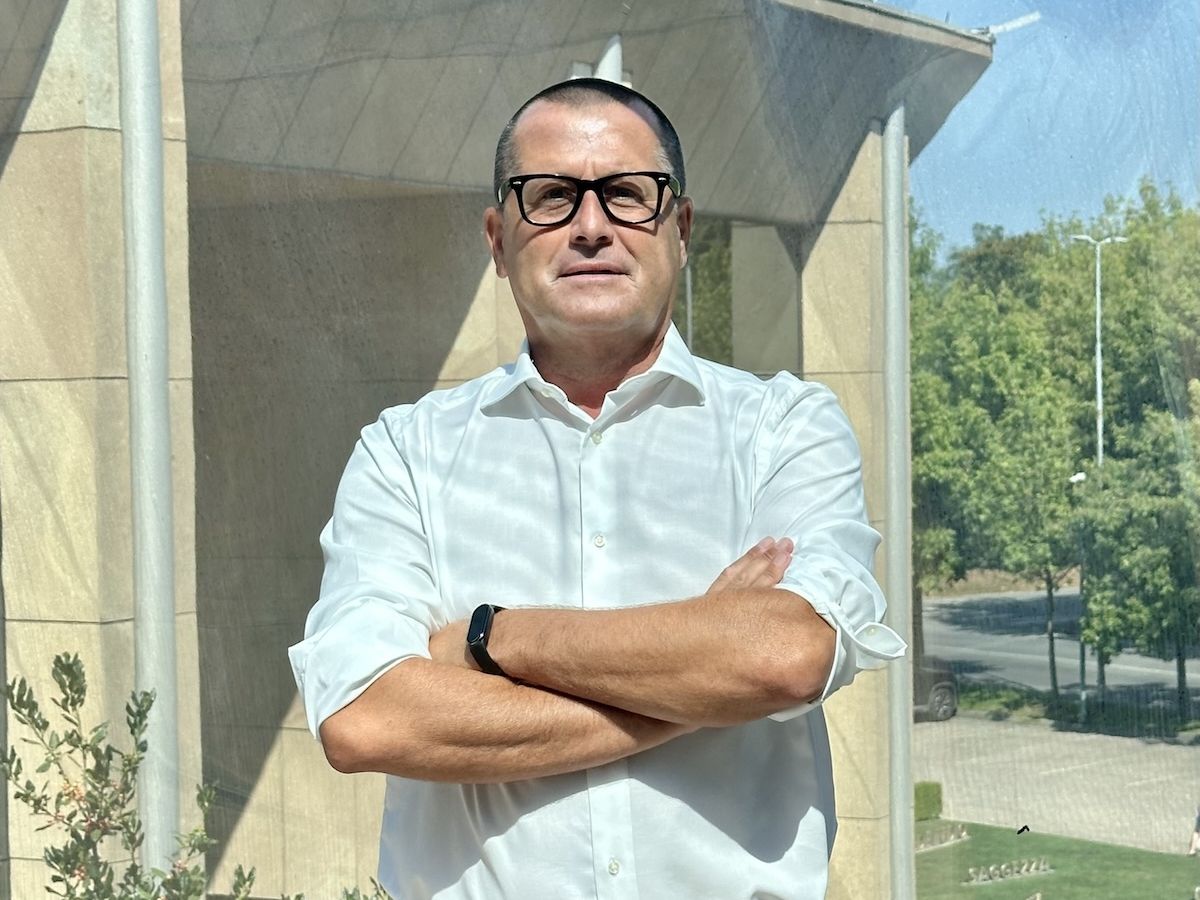
But growth does not depend solely on brand performance. Private label, international development, the deli counter and training are equally important areas in which Rovagnati is building its path, as explained by Roberto Montorfano, Rovagnati’s sales director.
Can you give us an initial assessment of 2026?
2026 is recording positive performance for the company. Although we operate in a complex market context characterised by unstable consumption, we are continuing to grow compared with the same period of 2025. A result that confirms the strength of our positioning and our efforts to combine brand investment and commercial activations in the most integrated way possible.
Can you give us some figures?
Across the market as a whole, Rovagnati is growing by +1,1% in volume compared with a market down 2%. In particular, the sliced meats segment is recording significant growth: +11,1% compared with a market down 2%. We are also holding our own in the variable-weight segment: in the cooked ham segment, down 6%, the company is recording a decline of 4,8%, thereby gaining 0,2 share points (source: Circana, YTD May 2026, hypermarkets + supermarkets + free-service stores). Consumers therefore continue to recognise and reward product quality, even in an increasingly selective purchasing context.
Is private label a significant business for Rovagnati?
We collaborate on the development of private-label projects, selecting partnerships with clear commercial value that enable us to offer solutions that are genuinely differentiated from the market. Rather than pursuing mere quantitative growth, we aim to develop collaborations capable of creating value for both parties. We believe, in fact, that synergy between industry and distribution is becoming increasingly important in responding to consumer needs and developing distinctive projects.
How significant are exports and what are the development priorities?
Exports currently account for around 15% of Rovagnati’s business and continue to be an important area of development for the company. Our international strategy is based on two main lines: on the one hand, enhancing distinctive products, such as the range of nitrite-free cured meats, particularly appreciated in France and the United States; on the other, developing commercial lines and projects designed to respond to the specific characteristics of individual countries and their particular consumption needs. In addition to France and the United States, we consider markets such as the United Kingdom, Germany, Switzerland and Croatia to be strategic. We are also looking with interest at opportunities in the Balkan region, where we believe there is further room for growth.
And what about out-of-home?
The out-of-home channel currently accounts for around 30% of the traditional-trade channel. The aim is to continue serving this market with an offering capable of meeting the needs of sector operators, proposing products that combine excellence, reliability and the right quality-to-price ratio.
Among the company’s latest developments is the campaign dedicated to Snello. Why did you decide to invest in this range, and what results have you seen since its launch?
Snello is a strategic range for Rovagnati because it addresses an increasingly widespread need: choosing products that combine taste with attention to one’s lifestyle. With the “Do you know what’s good about it?” campaign, we highlighted this positioning through simple and positive language, describing the line’s distinctive characteristics, such as its low or reduced fat content and, for a significant part of the range, the absence of nitrites. This innovation, in particular, has been a focus of our work for years, with the aim of offering products that are alternatives to traditional cured meats while being equally good and safe. The campaign forms part of an integrated communications plan involving television, digital, print and in-store activities, with the aim of strengthening awareness of Snello and supporting its growth. The initial feedback is encouraging, both in terms of attention to the campaign and interest in the products.
What are the main trends influencing the cured meats sector, and how are you responding to new trends?
Consumers are now increasingly attentive to aspects related to product composition, with growing demand for solutions characterised by more streamlined ingredient lists, as in the case of nitrite-free lines. At the same time, in the world of cured meats, taste remains the main driver of choice: purchasers are first and foremost looking for a rewarding consumption experience linked to the pleasure and tradition of certain methods and flavours. This is why Rovagnati works to strike a balance between innovation and its production heritage, developing products capable of meeting new consumer needs without losing the distinctive elements of the category.
From your point of view, is the deli counter still strategic for the cured meats sector?
The deli counter retains a strategic role in the world of cured meats, as it is where relationships, trust and loyalty are built most effectively. Through direct interaction, customers can receive advice and enjoy a purchasing experience that is closer to their wishes.
For us, the deli counter and self-service are not alternative channels but complementary ones: the deli counter is more closely associated with relationships, advice and highlighting product quality, while self-service meets needs for convenience, speed of purchase and sensitivity to promotional mechanisms. In the coming years, we see development opportunities in both areas, continuing to work to offer solutions consistent with different purchasing behaviours.
You invest heavily in training, as demonstrated by the School of Charcuterie. How and for what purposes did this project come about?
The School of Charcuterie aims to enhance the role of the deli counter, where expertise and management efficiency can make a real difference to service. The project is aimed at counter staff in large-scale retail and was created to strengthen their skills, exploring aspects related to the product and how to enhance it, as well as relationships with consumers. It is a programme combining theory and practice that involves Rovagnati specialists together with modern grocery partners, creating an active opportunity for discussion and collaboration, continually fuelled by listening and dialogue. The School of Charcuterie is an initiative forming part of the broader Rovagnati Academy programme, which aims to disseminate skills and knowledge through training programmes dedicated to the sector’s different stakeholders. The initial feedback is very positive: the project is being welcomed as a practical opportunity to support operators and strengthen the relationship between industry and distribution. In the coming years, we will continue to involve new partners and expand training opportunities.
Where do you currently see the greatest scope for innovation in the cured meats category?
We see interesting opportunities for innovation in expanding the occasions for consuming cured meats, going beyond their customary use. In particular, we believe two areas offer strong potential: on the one hand, crossover with the world of snacks and quick-meal solutions, including for out-of-home consumption; on the other, evolution towards offerings closer to the world of main courses. In this scenario, the balanced-meal segment represents an exciting area for development, with products capable of combining good protein content, convenience and greater nutritional balance through the integration of plant-based components and fibre.
Objectives for 2026?
For 2026, the objective in Italy is to continue growing at a faster rate than the market trend, consolidating the positioning of our brands – above all Gran Biscotto and Snello Rovagnati – and further developing opportunities in the channels where we are present. Internationally, we are targeting significant growth in our main reference markets by strengthening Rovagnati’s presence abroad and developing projects dedicated to individual countries. An equally important objective concerns internal integration between the brand and commercial divisions: working increasingly in synergy makes it possible to combine the strategic vision for the brand with distribution needs, developing more effective and coherent initiatives at every level.
This article was translated from the original Italian version with the assistance of artificial intelligence. In case of discrepancies, please refer to the original Italian version.