Frozen foods still hot: in volume +1% and in value +3%
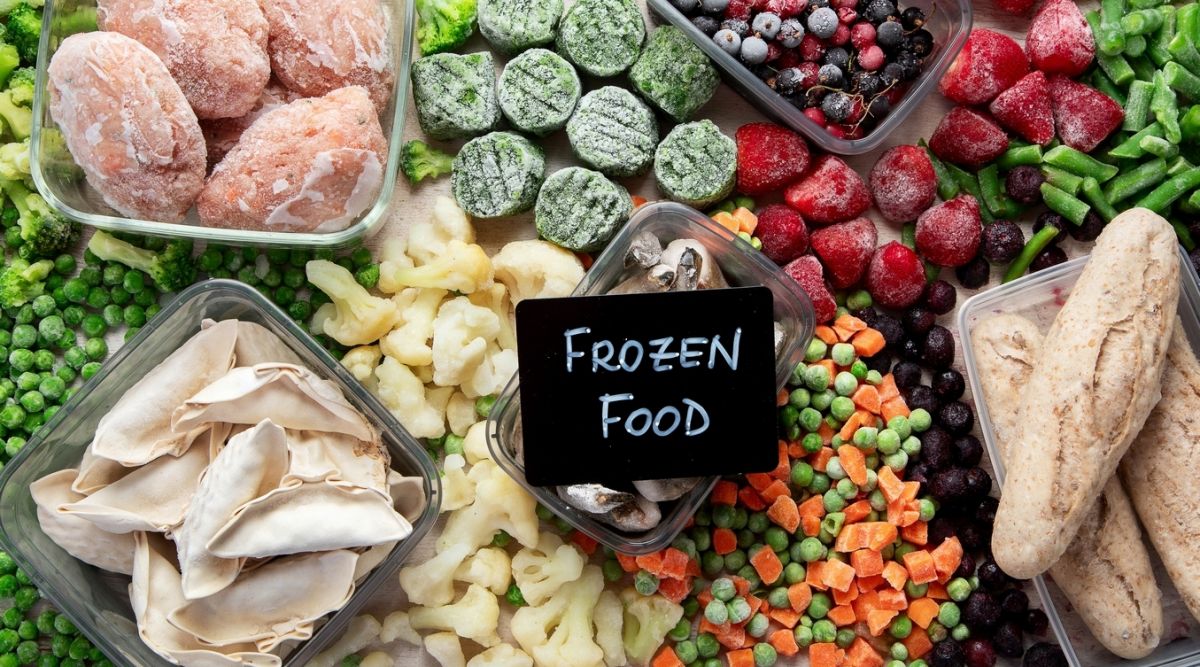
Frozen foods still hot: in volume +1% and in value +3%
- Information
Frozen foods since last year until June 2026 under the scrutiny of Iias: the institute has released the final version of its report. And this follows the previews from the end of February.
The 2025 data show that Italians consumed more than 1 million tonnes of frozen food in 2025 (1.040.596, to be precise), with real growth, that is, by volume, compared with 2024 of 1% and per capita consumption over the twelve months that reached a record 17,7 kg (in 2024 it was 17,5 kilos).
Frozen foods also improve in 2026
Distribution, still measured in quantity across the various channels, confirms retail sales in first place, having reached 642.140 tonnes (+1,1% year-on-year), followed by out-of-home demand, estimated at 398.456 tonnes (+1%).
And if we look only at the retail or domestic channel, we find that the interesting increase improved significantly even in the first half of 2026, with volumes running at +3,4% compared with the corresponding period.
Let us return to 2025. Market value reached 6,1 billion euros (+3% vs 2024), with retail accounting for 3 billion and 866 million euros, around twice the amount generated by HoReCa, which, so to speak, stops at 1 billion and 900 million euros.
In short, regardless of tensions, sentiment, the confidence climate and the cost of living, frozen foods continue their climb because they are a strong response to today’s needs, but also to yesterday’s: eating well, reducing waste, saving valuable time while adding value to the shopping basket.
“All this has driven the overall increase in consumption of frozen food, which has exceeded, for the third consecutive year, the threshold of one million tonnes,” adds the president of Istituto italiano alimenti surgelati, Giorgio Donegani. “And the surveys conducted in the first half of 2026, as we have seen, testify to further growth which, in terms of value, takes the form of +3,6 compared with the corresponding period. This is a positive trend affecting all categories, particularly fish products, pizzas, prepared vegetables and ready meals.”
Vegetables and fish products top the rankings
And so we come to the various segments. In 2025, as regards household consumption, frozen vegetables (excluding prepared vegetables and potatoes) remain stable on the podium, the most popular by volume. Retail channels more than 204.000 tonnes of this category, despite a very slight decline (-0,3%) compared with 2024, offset by growth in processed vegetables (+0,7%).
In second place among Italians’ preferences we find fish products, which, in their natural form (64.000 tonnes) and breaded/prepared form (42.000 tonnes), exceed 100.000 tonnes overall, recording, in 2025, one of the most dynamic performances in the frozen-food sector. This is driven by the very positive perception of fish as a healthy, light food.
The bronze medal goes to potatoes, which, with around 93.000 tonnes consumed, are appreciated for three main reasons: taste, convenience of preparation and consumption, and the absence of waste (they are already cleaned and cut).
From pizza to gluten-free
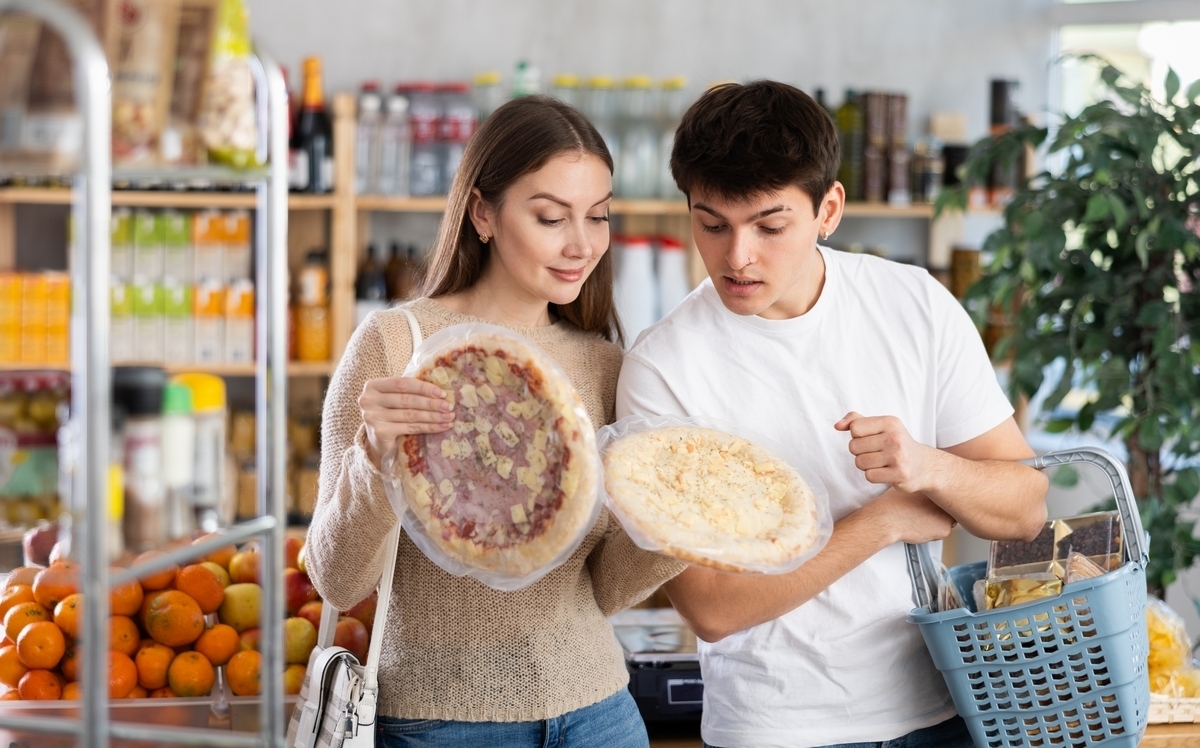
Next come pizzas: in 2025 they came close to 70.000 tonnes, with +3,1% compared with 2024. This result once again rewards the practical, quality and affordable qualities of these products, together with the innovation efforts made by companies to introduce new formats, recipes and ingredients.
Moving down the rankings, in fifth place we find ready meals, with almost 66.000 tonnes (+1,7% compared with 2024), namely pasta dishes, main courses, prepared side dishes and foods containing plant-based proteins.
The sweet and savoury specialities (pancakes and other similar foods for different occasions) should not be forgotten. They are estimated at 31.700 tonnes and are also showing a positive trend (+1,9%). In this way, companies are capitalising on consumption occasions other than lunch and dinner.
The rebound achieved by consumption of frozen meats is significant (+4,5% vs 2024), certainly appreciated for their safety and shelf life.
Finally, it is worth highlighting the excellent performance of frozen gluten-free products, which, with around 9.700 tonnes requested (+4,3% compared with 2024), continue their ascent. Although this is a niche, the steady increase in these goods indicates the sector’s ability to respond to the needs of a section of the population requiring an ever-greater variety of food.
This article was translated from the original Italian version with the assistance of artificial intelligence. In case of discrepancies, please refer to the original Italian version.