
De Nigris, premiumisation and exports drive growth
De Nigris, premiumisation and exports drive growth
- Information
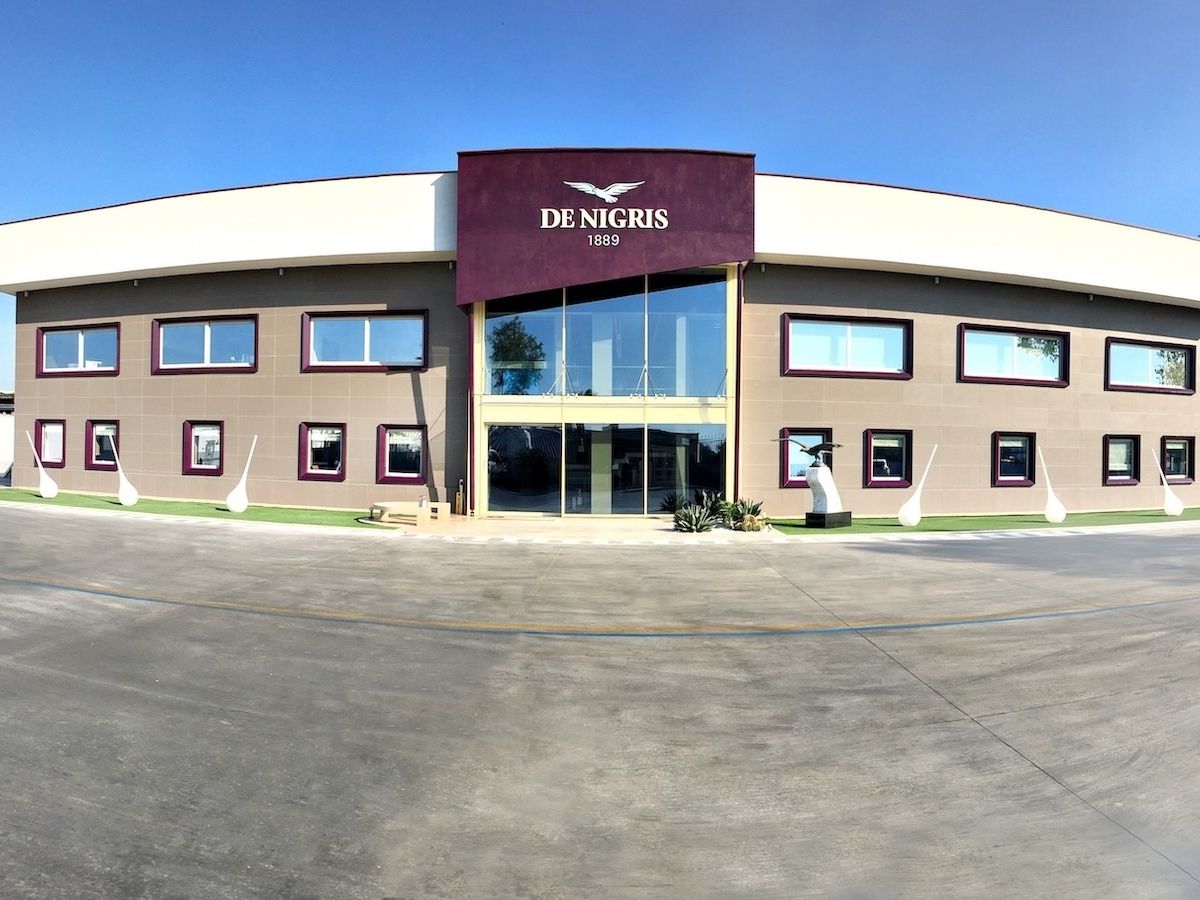
There are enduring passions, passed down from father to son. For four generations, the family De Nigris has devoted itself expertly to producing vinegar, constantly seeking the best product possible.
Today, the company – with sites in Carpi in the Modena area, San Donnino in the Reggio Emilia area and Caivano, in the Naples area – plays a leading role in the Modena PGI Balsamic Vinegar sector and its brand is present in more than ninety countries. At a time of uncertainty in consumer spending such as the one we are experiencing, the company is looking to the future by leveraging quality, innovation and internationalisation. Carlo Erba, Italy Sales Director, discusses this.
Can you take stock of the past two years?
The 2025 ended in a market context that was still complex and characterised by cautious consumption in the world of vinegar, but with overall stable results both in value terms, with turnover of 100 million euros, and in volume terms. Some higher value-added segments, particularly those linked to organic products and wellbeing, continued to show good resilience, confirming consumers’ interest in quality and distinctive products. The prospects for 2026 appeared better, with encouraging signs both on the Italian market and in exports. However, the international geopolitical context and the continuing tensions linked to ongoing conflicts are affecting the consumption trend in some strategic areas and continue to create pressure on energy, logistics and packaging costs.
What role does modern grocery retail play in De Nigris’s business?
Modern grocery retail continues to be a central channel for De Nigris, both in Italy and abroad. We cover the main segments of the sector: Modena PGI Balsamic Vinegar, apple vinegar, wellness vinegars and glazes, sweet-and-sour dressings and gourmet specialities. In the Modena PGI Balsamic Vinegar sector, De Nigris plays a leading role, and Balsamic Vinegar accounts for approximately 50% of the company’s business.
What role does MDD play?
Private label is part of our commercial strategy, alongside the De Nigris brand, national and international modern grocery retail, food service, e-commerce and premium channels. For us, retailer brands are interesting when they make it possible to build quality projects consistent with our production standards and our capacity for innovation. We do not see them as a purely volume-driven lever, but as an area in which to bring know-how, supply-chain safety, certified quality and product development capabilities.
How much is export worth?
Exports are a fundamental component of our growth model: approximately 70% of turnover is generated abroad. De Nigris is present in more than 90 markets and continues to invest in internationalisation, bringing Modena PGI Balsamic Vinegar, fruit vinegars, glazes, sweet-and-sour dressings and gourmet specialities to markets around the world. Cross-border projects are moving in three directions: consolidating established markets, particularly Europe and the United States; developing high-potential markets, including in Asia; and strengthening the culture of balsamic vinegar as a versatile product, not only for traditional Italian cuisine but also for new consumption occasions, from wellbeing to mixology.
What are the most recent product innovations you have launched?
In 2025, we worked on innovations that clearly reflect the evolution of our positioning: tradition, wellbeing and new ways of using vinegar. New products include MelaMadre with lemon, organic apple vinegar with natural mother and Sicilian lemon juice, and the range developed with Davide Oldani, presented at Identità Golose 2025, which combines the culture of Modena Balsamic Vinegar with the chef’s contemporary vision. In 2026, we are focusing above all on highlighting usage occasions and communicating the versatility of Modena PGI Balsamic Vinegar. As part of the collaboration with Alma, the most authoritative international centre for advanced training in Italian cuisine and hospitality, a competition was promoted for students on cookery and pastry courses, leading to the creation of a recipe book that reinterprets De Nigris’s iconic products.
In terms of communication, which levers are you using?
Our communications work on a very clear balance: on the one hand, more than a century of tradition and the expertise of master vinegar makers; on the other, innovation, wellbeing and contemporaneity. We want to present vinegar as a living product, versatile and capable of becoming part of new consumption habits. Activities take place on several levels: consumer education through informative labels and QR codes; product storytelling; collaborations with chefs and cookery schools; activations in the premium world, boutiques and Balsamico Village; a presence in modern grocery retail and e-commerce; and projects linked to wellbeing, prevention and food culture.
What will your future investments focus on?
Investments will be directed towards product innovation, process efficiency, sustainability, digitalisation and strengthening production and logistics capacity. Areas already under way include monitoring consumption through sensor technologies, improving the efficiency of production processes, lower-impact packaging, reducing waste and consolidating renewable energy. Another important area concerns internalisation and production optimisation: at the San Donnino site – in the province of Reggio Emilia – the internalisation of alcohol production and bottling processes has been completed, achieving a cycle managed entirely in-house at 100%. This also makes it possible to reduce movements and transport between sites.
What challenges lie ahead for the vinegar sector?
The challenges will be linked to the ability to innovate without changing the nature of the product, enhance origin and quality, and respond to demand for naturalness, health, organic products and traceability and sustainable packaging. Consumers are increasingly seeking versatile products: vinegar is no longer merely a dressing, but can become a functional ingredient, a gourmet element, a premium product or a solution for new usage occasions.
Objectives for 2026?
The objective is to continue sustainable growth, particularly in value terms. The main directions will be exports, premiumisation, Modena PGI Balsamic Vinegar, wellness vinegars, product innovation and the development of high-potential channels.
This article was translated from the original Italian version with the assistance of artificial intelligence. In case of discrepancies, please refer to the original Italian version.