Too Good To Go enters the non-food sector, from personal care to flowers
Too Good To Go enters the non-food sector, from personal care to flowers
- Information
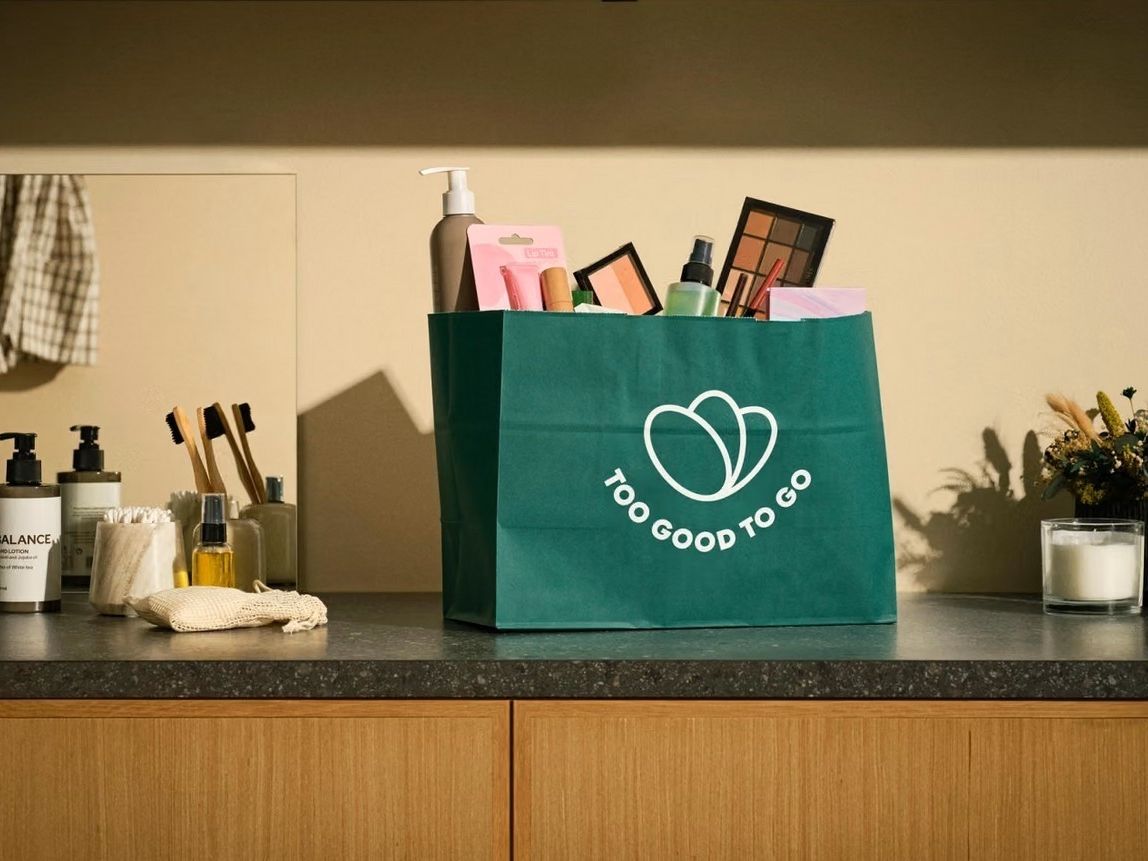
Too Good To Go, the world's largest marketplace for surplus food, is also expanding its focus to non-food categories, currently five.
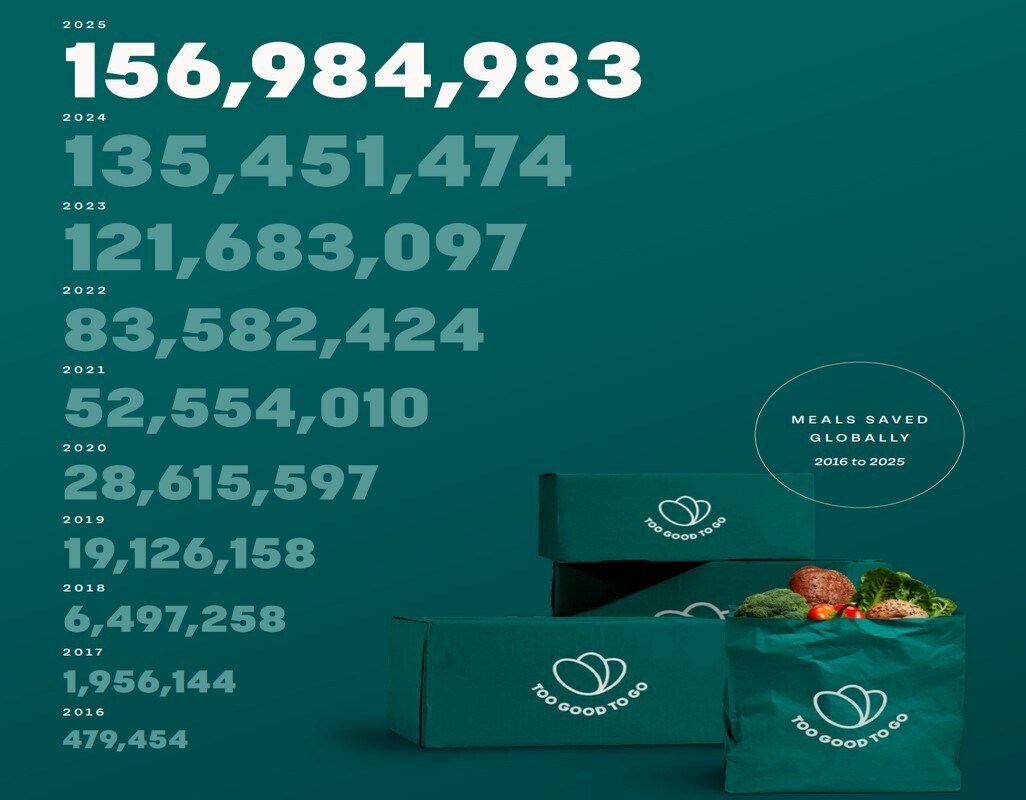
And this after having saved, since its launch, in 2016, more than 600 million meals (cumulative figure) that would otherwise have been wasted, while preventing the release of 1,6 million tonnes of CO2 into the atmosphere.
Five new categories are being added
Thanks to this development, retailers will also be able to redistribute their surplus in the areas of personal care (skincare, haircare, oral hygiene, cosmetics), pet care, plants and flowers, supplements, furnishings, and household cleaning and laundry.
Although the official announcement was issued on 15 October, more than 8.500 retailers already share some of these goods, and a third of them were already working with Too Good To Go on the food side,
Indeed, notes the Danish-founded platform, active in 21 countries, waste does not end with food.
200.000 partners for Too Good To Go
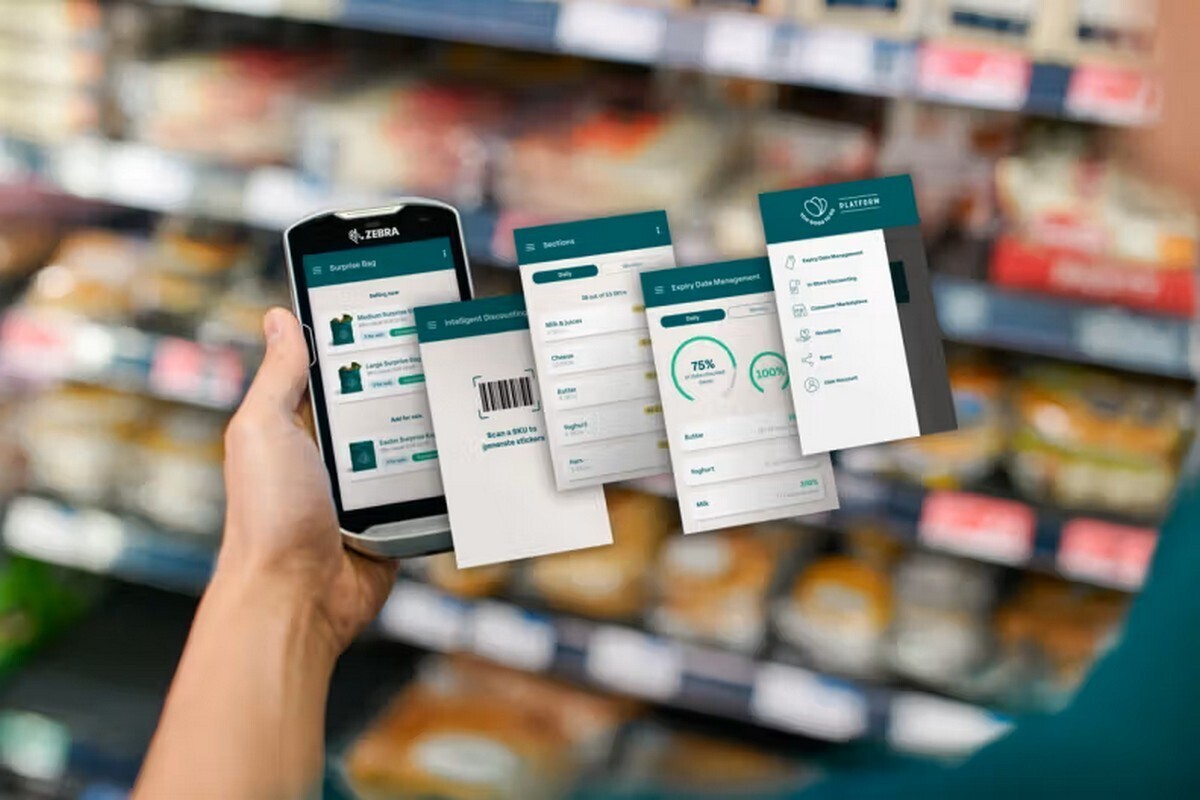
Will it be a success? Certainly, given that, in a decade, Too Good To Go Marketplace has grown to connect 150 million registered users with 200.000 active partners, providing an opportunity that has proved successful for everyone: for businesses, which can recover value from many types of stock, and for consumers, who can access useful products offered at an excellent price.
Adds Mette Lykke, CEO of Too Good To Go: “The first trials in non-food were carried out in the plants and flowers sector and, more recently, in pet care. Today we are putting this experience to work to expand into other sectors. Businesses increasingly pose us challenges that go beyond food and ask how we can help them, because surplus exists practically everywhere”.
How non-food waste arises
But how do surpluses arise in sectors that are, ultimately, much less at risk?
In these cases too, explains Too Good To Go, there are expiry dates and changes in supply and demand dynamics. An packaging update can make it much more difficult to sell a beauty product in its previous packaging.
The end of a season can also make certain goods, such as gifts, seem obsolete and out of context. Furthermore, sales forecasts do not always correspond to what actually goes through the tills.
All this ends up tying up part of the working capital and taking up valuable space on shelves and in warehouses, even though the product is still valid. And this is where Too Good To Go comes in.
Let us conclude with some prominent names that are bolstering the new categories. In France, the platform is already working with Nivea, Neutrogena, Dove, Oral-B, Always (feminine hygiene) and Head & Shoulders; in Poland with Inglot (cosmetics) and Auchan; in Italy with Decathlon; in Denmark and Sweden with Interflora; in Austria, Germany, Italy and Switzerland with Obi.
Find out more by downloading the Impact report 2025
THE PROGRESSION OF MEALS SAVED: 2016-2025
This article was translated from the original Italian version with the assistance of artificial intelligence. In case of discrepancies, please refer to the original Italian version.