Too Good To Go: reducing food waste helps families get back on track in September
Too Good To Go: reducing food waste helps families get back on track in September
- Information
Too Good To Go shines a spotlight on reducing food waste especially in September, when Italian families have to face numerous expenses related to returning to their daily routines after the holidays and the start of the school year.
Less food waste, more savings
According to theNational Observatory of Federconsumatori 2025, in fact, the September–November period brings with it an average total expenditure of around 3.000 euros, while returning to school costs more than 800 euros per child (source: Observatory Skuola.net).
In a context marked by the rising cost of living, which has increased by 3% since the beginning of the year, reducing food waste means not only making a sustainable choice, but also recovering financial resources to allocate to other family needs.
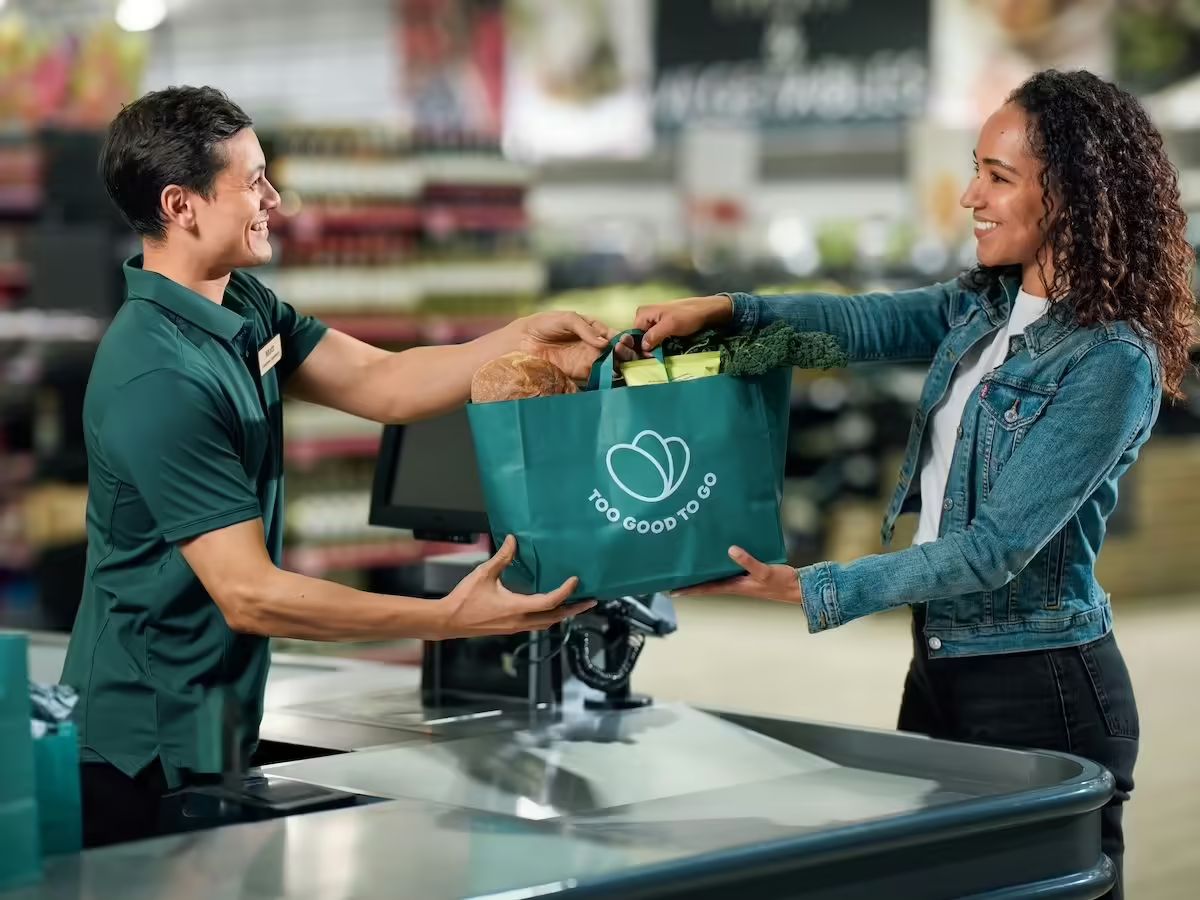
In this context, smart solutions such as theToo Good To Go app can help reduce food waste while also easing the family budget. The platform allows users to purchase, at a reduced price – up to two-thirds less than the original value – unsold food that is still perfectly good from businesses, shops, supermarkets, bakeries, restaurants and food companies.
An opportunity to save that can also become part of everyday life: by saving one Surprise Bag a week and one Pantry Box a month, it is possible to save up to 66 euros a month. This is an example of how a sustainable choice can also translate into a tangible financial benefit for families.
The resources recovered through greater attention to food waste and more conscious spending can provide tangible support for family budgets, helping to cover various everyday expenses: from fees for children's sports activities to school canteen costs, and even providing an opportunity to devote more resources to leisure and free-time activities with the family.
For example, the savings made can translate into a pizza out once a month, subscriptions to the main music streaming and entertainment services, or help cover some recurring expenses such as internet connection or phone plans for one or more family members. It can ultimately provide tangible help in easing the monthly budget allocated to food shopping.
Too Good To Go: in September 2025, +28% of meals saved
The growing interest in anti-waste solutions that combine savings with good food, especially during periods of greater pressure on family budgets, is also confirmed by Too Good To Go's data. In the first weeks of September 2025, the app recorded a increase of 28% in meals saved compared with the last weeks of August, accompanied by double-digit growth in registered users.
This trend shows that more and more Italians are looking for practical ways to save on their food shopping without giving up quality, while also helping to reduce food waste. This interest is further confirmed by research conducted by Too Good To Go in collaboration with YouGov: 46% of respondents say they know about or use anti-waste apps such as Too Good To Go.
“Reducing food waste means adopting more sustainable behaviour, but also providing tangible relief for the family budget,” comments Mirco Cerisola, Country Director Italy at Too Good To Go. “It is small everyday actions, such as using our app, already downloaded by more than 13 million users, that can make a difference: what is wasted today can become a tangible saving opportunity to be used elsewhere.”
The 10 Too Good To Go's anti-waste resolutions
Reducing food waste is easier than you might think: all it takes is small everyday actions, from shopping and properly storing food to making use of leftovers. Here are 10 simple resolutions to preserve food quality for longer, avoid waste and contribute to more conscious consumption:
- Make a shopping list before going to the supermarket. Planning the week's meals helps you buy only what you need, avoiding impulse purchases.
- Check the fridge and pantry before doing the shopping. A few minutes are all it takes to avoid buying duplicates and use the food you already have first. This also prevents unnecessary purchases.
- Organise the week's snacks and lunches. Preparing lunch boxes and snacks in advance reduces waste and makes the busiest days easier.
- Learn to distinguish between expiry dates. “Use by” and “Best before” do not mean the same thing: knowing the difference prevents you from throwing away food that is still good. To make this easier to understand, with its “Look, Smell, Taste” food labelling initiative – currently present on over xx products – Too Good To Go encourages people to use their senses for products marked with a best-before date.
- Give leftovers a second life. Rice, pasta, vegetables and bread can be turned into new recipes for the following day or into a packed lunch to take to work. The Too Good To Go app offers plenty of ideas for inspiration.
- Freeze anything you will not eat in time. The freezer is a valuable ally for storing bread, already-cooked portions, fruit and many other foods. This way, they can also be eaten later, avoiding waste. To encourage more conscious use, write the freezing date on the bag.
- Choose portions suited to the family's actual needs. It is better to prepare too little and have seconds than to cook too much and end up throwing it away.
- Store food correctly. Every product has its ideal place: proper storage keeps it fresh for longer and reduces waste.
- Recover unsold food. Whenever possible, choose solutions that make it possible to save food that is still perfectly good, such as Too Good To Go's Surprise Bags. Good food and savings guaranteed.
- Involve children in the fight against waste. Teaching children from an early age about the value of food, seasonality and reusing leftovers helps create habits that will last over time. For this reason, Too Good To Go has developed “Next Gen”, with free educational materials on food waste for children aged 6 to 11 years, downloadable directly from the Too Good To Go website.
This article was translated from the original Italian version with the assistance of artificial intelligence. In case of discrepancies, please refer to the original Italian version.