Orogel, the success of Verdurì and the benefits of frozen vegetables
Orogel, the success of Verdurì and the benefits of frozen vegetables
- Information
It was 1998 when Orogel launched Verdurì, the first frozen vegetable purée in drops, a product that would win over thousands of consumers and go on to become the best-selling product in its category.
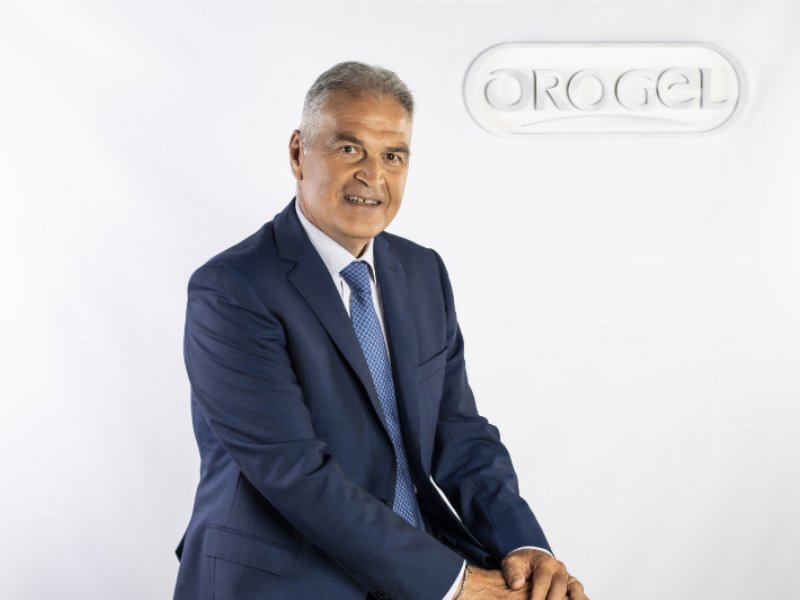
To celebrate this important milestone, the Romagna-based company has created a special anniversary pack, with 25% of product free of charge. For the occasion, we asked Commercial Director Maurizio Zappatore to tell us how the market is performing and what projects and new developments are in the pipeline.
Orogel is now an undisputed leader in some segments of the frozen food category, especially vegetables. How are you positioned in the market?
Orogel operates across all sales channels in the frozen food sector and is Italy’s leading producer of frozen vegetables. In this context, our company ended the financial year with a volume trend of +0,8%.
Supply chain control has always been one of your key assets. What feedback do you receive in this regard from today’s consumers, who are increasingly attentive to what they put on the table?
I can confirm that supply chain control has been one of the fundamental assets of our journey since the 1990s. It is also a source of pride for us because, by guaranteeing the quality and safety of Orogel products, we have managed to dispel several consumer prejudices about frozen food. We have therefore helped to build awareness around frozen foods, which deserve to be valued all the more in the current phase of consumption. In particular, frozen vegetables are able to meet the needs of modern consumers exceptionally well because they combine several aspects relevant to today’s shopping list. Starting with the search for a short, clean label: cold is the most natural alternative to any preservative.
Authenticity: a controlled supply chain such as Orogel’s is an absolute guarantee in this respect. Taste: while the move towards a diet increasingly rich in vegetables is now well established, companies like ours have made this transition easier by offering vegetables in an appetising, tasty, versatile, cheerful and modern form. Convenience: frozen vegetables help at every stage in the kitchen, from storage – without the rapid spoilage associated with fresh produce – to preparing dishes, which is much quicker without the cleaning, chopping and pre-cooking stages.
One of your flagship products is Verdurì, which has just reached its quarter-century mark and is the best-selling product in its category. What are the foundations of this success?
Verdurì has certainly been one of the most successful products during the 25 years of its history. Its success is undoubtedly due to the fact that we offered a product suitable for every type of consumer and with characteristics that have made it an enduring icon. There were two fundamental insights. The first arose from observing domestic consumption habits: frozen vegetable soups already existed in Italy and were consumed, but children were given them after they had been blended to make a purée suitable for them too. This led to the idea of turning a vegetable soup into a purée, from which many variations were later developed. The other was the idea of the “drops”, which everyone now associates with Verdurì: this enabled anyone to measure out the product according to their individual needs, without wasting anything and while keeping the remainder perfectly preserved.
To celebrate this important milestone, you created a special anniversary pack, with 25% of product free of charge. How important is an initiative like this at a time when families are struggling to make ends meet?
The initiative was created specifically to reward consumers who have always shown great appreciation for this product. It also proved very useful in sending an important signal in response to the prevailing inflation, which has certainly affected the purchasing power of many consumers. In short, it was a way of supporting those who have chosen us over these 25 years.
Logistics is a key issue in this sector. How do you manage it?
Logistics in the frozen food sector is of truly significant scale. Since the pioneering days, we have always sought to optimise the supply chain through major investments, unique in the national landscape. Our Orogel 3 is certainly a successful model in this respect: it is the largest automated warehouse at -25° in Italy, intended for the storage and computerised handling of frozen products. Its construction was a fundamental step forward, both to enable us to manage the cold chain optimally and to do so in a much more sustainable way.
Frozen foods are also something people keep in stock. How have purchasing and consumption habits changed since the pandemic?
The pandemic certainly accelerated the consumption of frozen vegetables. Household stocks increased and many consumers remained loyal to the category. According to our data, sales of domestic freezers also increased significantly over the last three years, so many consumers now have more space to store more products. We could say that this situation “introduced” many consumers to the broad world of frozen foods, which they may previously have only encountered through a few products, highlighting its many advantages.
What are your plans and objectives for 2024?
We are a cooperative first and foremost, so continuing to support our producers is always our priority. Of course, we also aim to consolidate the values we have built up over the years and are committed to guaranteeing the quality standards that distinguish our products and have earned us the trust that consumers reaffirm every day.
This article was translated from the original version in Italian with the assistance of artificial intelligence. In case of discrepancies, please refer to the original version in Italian.