Mila, from growth in modern retail to the new Latteria Südtirol
Mila, from growth in modern retail to the new Latteria Südtirol
- Information
Mila, the South Tyrolean dairy cooperative founded in 1962 with plants in Bolzano and Brunico, operates in the Italian dairy sector, which continues to grow and increasingly look to modern retail as a strategic channel for reaching new consumption trends.
In 2025, the dairy industry reached a turnover of 28,5 billion euros, while exports reached a record 6,7 billion. Fermented products, a category that includes yoghurt, also recorded production growth of 4,8%.
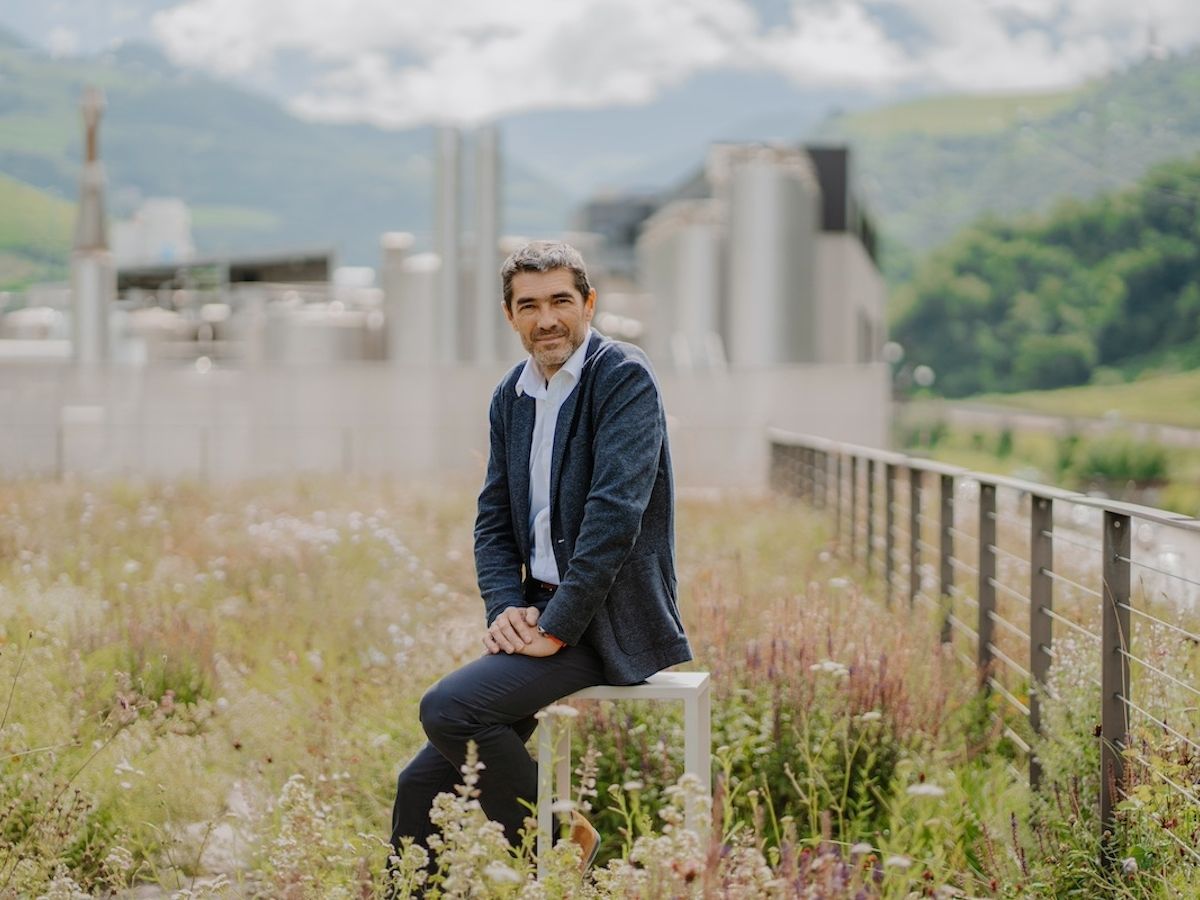
For Mila, the first facility is dedicated to milk, yoghurt and butter, while the second focuses on cheeses and skyr. 2026 was also the year of the merger with Brimi, Centro Latte Bressanone, approved by the delegates of Latte Montagna Alto Adige. The operation led to the creation of Latteria Südtirol, a cooperative bringing together 3.100 member farms, approximately 750 employees and more than 275 million kg of milk processed each year, with a combined turnover of approximately 450 million euros. We discussed this with Pauli Pircher, Mila’s commercial director.
What has the new structure meant for you?
The new structure expands the product portfolio, from fresh milk to yoghurt, mascarpone and cheeses, through to mozzarella, ricotta and butter. Mila is one of the main industrial components of the new organisation, with more than 2.000 mountain farms supplying milk and a range comprising fresh milk, yoghurt, skyr, butter and cheeses. In the market, meanwhile, we are focusing on expanding the range, modern retail and internationalisation.
Which products were launched in 2025 and what new products did you present in 2026?
Last year we presented Yogurt Gusto+Gusto Loacker Edition: creamy Mila yoghurt made with 100% South Tyrolean milk, combined with crunchy Loacker wafers, and Yogurt Gourmet, with the flavour of yesteryear reinterpreted in a modern way in a yoghurt distinguished by its creamy texture and made with 100% South Tyrolean milk. In 2026, on the other hand, we developed Mila probiotic Kefir Drink, a fermented-milk speciality made from 100% South Tyrolean milk, and probiotic Skyr: Mila Skyr, a speciality 100% made with South Tyrolean milk, whose traditional recipe originated in Iceland, combining flavour and wellbeing. Thanks to Bifidobacterium BB-12, it contributes to the balance of the intestinal flora. We also introduced the “Seiser Alm” slicing cheese, with a creamy texture and finely spiced, slightly hot aroma, encapsulating the taste of the South Tyrolean mountains. Thanks to the launch of the new products in spring, we recorded growth in line with that of the market.
What are the main challenges for the coming months?
One of the main challenges will be managing fluctuations in the costs of raw materials, energy and packaging, in a context still characterised by significant geopolitical uncertainty and possible repercussions on the availability of supplies. Our aim will be to contain the impact on consumers as much as possible by working on process efficiency, supply planning and collaboration with our partners. At the same time, it will be essential to continue guaranteeing quality, product availability and the ability to innovate, while maintaining an offering consistent with new needs relating to wellbeing, convenience and sustainability.
What share of Mila’s turnover does export account for? And which are the key markets?
For Mila, exports account for 23% of turnover, with mascarpone distributed in more than 20 countries. For the cheese segment, the key market is Germany.
What is Mila’s positioning in modern retail today?
Our aim is to build a strongly distinctive position in modern retail, leveraging the Mila brand’s ability to combine tradition and innovation. We bring recognisable, tangible elements to the shelf: South Tyrolean origins, a cooperative supply chain deeply connected to the local area, the quality of mountain milk and a broad, diversified portfolio. This enables us to cover both the more traditional categories and the more innovative, high-value-added segments, with a presence across the main sectors of the dairy world.
How do you intend to leverage the origin in more distant markets, where price competition is greater?
For us, origin must represent much more than a simple geographical indication: it must be able to explain concretely why the product is different. This value must be communicated through packaging and physical and digital channels, but above all through clear, verifiable and easily understandable elements for consumers, such as the origin of the raw material, traceability and the short supply chain, while also highlighting distinctive products such as certified Stg Hay Milk.
This article was translated from the original Italian version with the assistance of artificial intelligence. In case of discrepancies, please refer to the original Italian version.