Ambienta creates aquaculture platform to meet huge demand for fish products
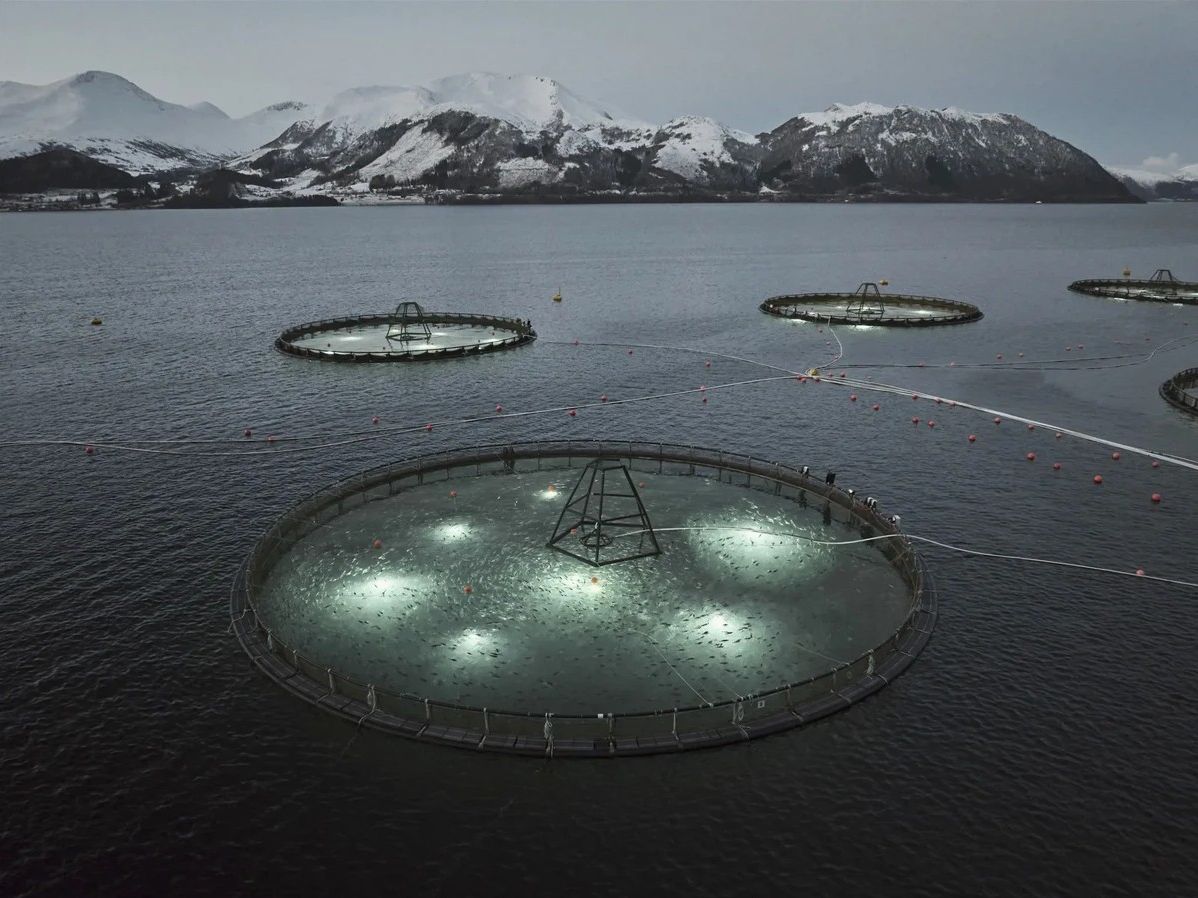
Ambienta creates aquaculture platform to meet huge demand for fish products
- Information
Ambienta Sgr, an asset management company with offices in Milan, London, Paris, Munich and Stockholm, is creating the aquaculture platform.
Who is joining Ambienta
Through the Ambienta IV fund, the company is acquiring the Norwegian companies Bio Marine, Flatsetsund Engineering, Smir and P/F GroAqua Group, from the Faroe Islands (Denmark).
They are all advanced technology companies for fish farming. Thus, the transaction creates a new industrial platform integrating the expertise of the four participants to promote wider adoption of technologies with proven effectiveness: from solutions for protecting fish health and optimising feed, to the essential equipment for managing farms, and finally systems for treating residues.
This initial core lays the foundations for Ambienta’s project to create an even broader leading operator in the Nordic countries, capable of promoting innovation in sustainable aquaculture.
Thanks to the four companies, the newly formed group will be able to support entrepreneurs in reducing their environmental impact, extending the application of its solutions to different species and geographical areas.
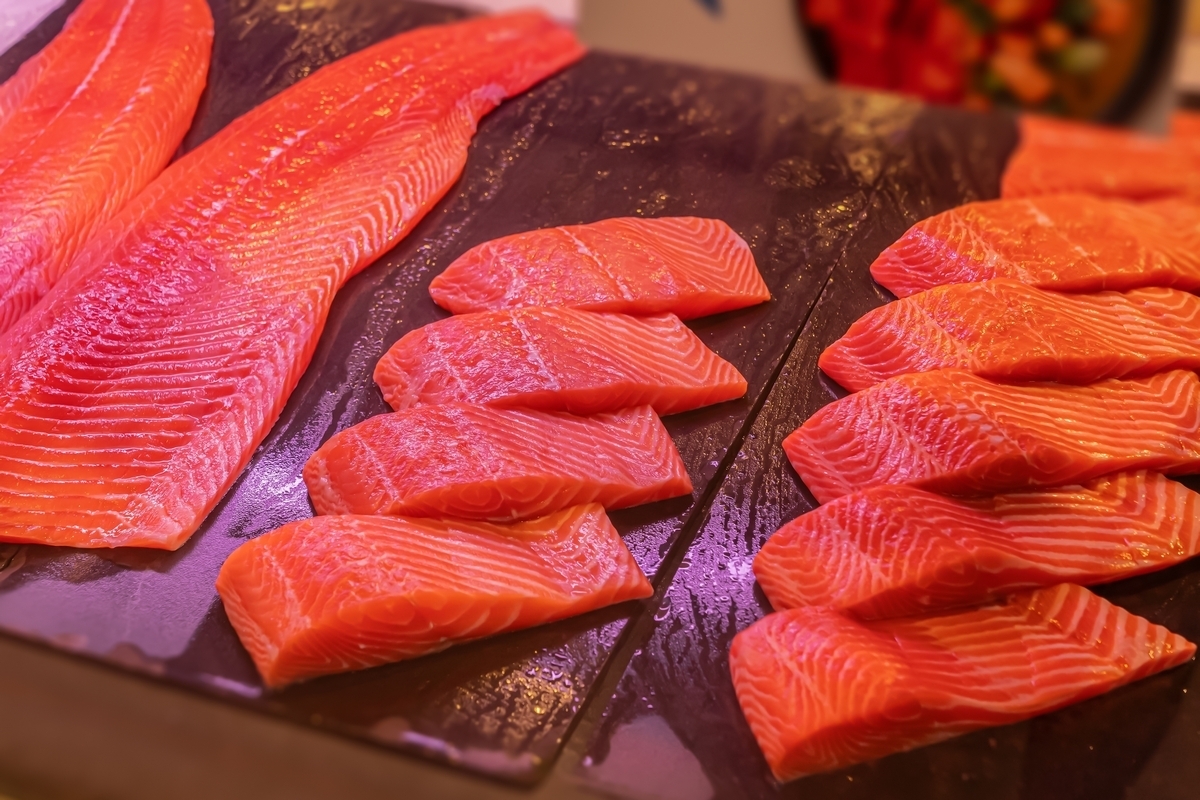
Why is Ambienta investing in aquaculture?
Global demand for protein continues to increase, driven by population and income growth, and by consumers’ search for more nutritious food.
The supply of protein-based foods has more than doubled over the past four decades, and fish products are playing an increasingly important role in meeting market demand, as demonstrated by the very strong demand from retail.
Global fish production has risen from approximately 80 million tonnes at the beginning of the 1980s to almost 200 million tonnes in 2024, and today accounts for approximately 15% of the animal protein consumed worldwide.
With approximately 85% of monitored marine fish stocks already fully exploited or overexploited, and fishing volumes essentially stable for decades, aquaculture is the only solution capable of increasing supply on a large scale.
Fish farming also requires less land and feed than other animal sources, and generates lower greenhouse gas emissions.
However, intensive aquaculture can increase the risk of diseases and parasites, the use of chemical treatments, mortality and residue production. Land-based farms can also generate significant quantities of sludge and require substantial energy input.
The sector therefore needs technologies capable of addressing these critical issues, promoting healthier production systems, improving resource-use efficiency and reducing negative impacts.
In this context, salmon farming, one of the most advanced segments of aquaculture, provides a favourable setting for developing solutions that can then be applied to other species and geographical areas, accelerating the transition towards a more sustainable fish-products offering.
A portfolio worth 4,5 billion euros
Ambienta Sgr, founded in 2007 by Nino Tronchetti Provera and with 4,5 billion euros in assets under management, qualifies as an asset manager entirely focused on sustainability
A pioneer in the sector, Ambienta was one of the first signatories of the UN Pri (Principles for responsible investment) in 2012, and obtained B-Corp status in 2019.
In 2020, Ambienta became a member of the Iigcc (Institutional investors group on climate change) and, in 2023, committed to the Science-based targets initiative (Sbti), a global initiative to combat climate change.
To limit the discussion to a couple of examples, the investor created the ingredients hub Nactarome (approximately 15 companies) and, at the end of June 2026, formalised its entry into Gff, a Tuscan company specialising in the development and production of natural flavours for food & beverage.
This article was translated from the original Italian version with the assistance of artificial intelligence. In case of discrepancies, please refer to the original Italian version.