Mutti closes the 2026 tomato campaign with a positive balance despite extreme weather
Mutti closes the 2026 tomato campaign with a positive balance despite extreme weather
- Information
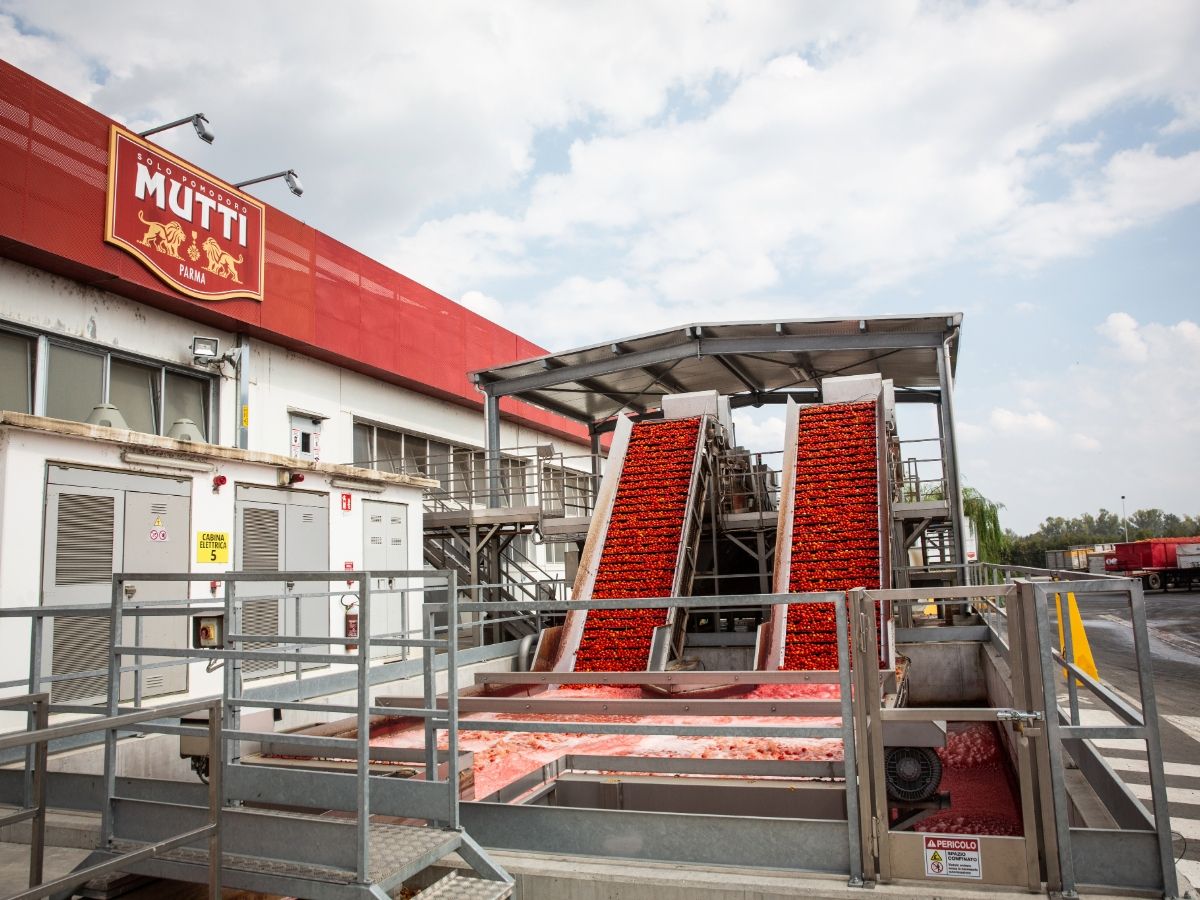
Mutti closes the 2026 tomato campaign with 775.000 tonnes of raw material processed, a quantity that demonstrates the company’s ability to guarantee operational continuity and first-rate quality standards even in a particularly challenging year.
The climate challenge
Once again, the season was marked by extreme weather events, a real wake-up call for the future of national agriculture. Exceptionally high temperatures and severe hailstorms seriously compromised plant development, bringing agricultural yields per hectare below the average of the last five years, particularly in Northern Italy, and highlighting unprecedented agronomic anomalies that represent a point of concern for the entire sector. Despite this, territorial presence and industrial flexibility enabled Mutti to preserve the quality of the final product, with Southern Italy showing greater production resilience and peaks of excellence in quality, particularly for peeled tomatoes.
“From an agronomic perspective, the 2026 season confirmed that the climate crisis is presenting us with unknown scenarios for which we are not yet fully prepared. Bringing the start of the campaign forward to the beginning of July was a response to heat-accelerated ripening, and the second half of the summer saw, in addition to lower yields, a significant fall in Brix levels,” commented Massimo Perboni, director of Mutti’s agricultural department. “It was a challenging summer, but we emerge from it proud of the synergy with the agricultural sector and the flexibility of our production sites: it is thanks to these that we were able to protect the excellence of the raw material and meet our high quality standards.”
The importance of a harmonised supply chain
Alongside weather variables, the 2026 campaign drew attention to the importance of increasingly precise harmonisation within the supply chain. Given the extensive area cultivated nationally, the start of the season had in fact highlighted the risk of a potential mismatch between production planned in the fields and the actual absorption capacity of the processing industry.
A potential phase of oversupply was then gradually absorbed over the course of the months, helped by agricultural yields which, being below initial estimates, contributed to rebalancing overall volumes at national level. This was a complex scenario in which Mutti once again established itself as a benchmark for the sector: the early opening of its facilities enabled it to promptly meet the agricultural sector’s delivery requirements, while the continuation of its long-standing incentive scheme – from the Quality Award to the Golden Cherry Tomato award, through to incentives for early produce – guaranteed economic stability and operational continuity for its agricultural partners.
“The result achieved by Mutti in this campaign is solid and rewards our commitment, but we can no longer postpone the reflection that the climate crisis, and the water crisis in particular, requires us to undertake. With glaciers and snowfields progressively disappearing, increasingly dramatically dry summers lie ahead, and this is not only a problem for our sector, but for the entire Po Valley,” concluded Francesco Mutti, Chief Executive Officer of Mutti. “We can no longer rely on exogenous factors, let alone afford to wait for disaster before taking action. Mutti will continue to do its part by investing in quality and value for its partners, but without immediate infrastructure measures and responsible planning, the entire ‘Made in Italy’ system faces a systemic risk.”
This article was translated from the original Italian version with the assistance of artificial intelligence. In case of discrepancies, please refer to the original Italian version.