At Sial Paris 2026, the Parmigiano Reggiano Consortium secures the removal of non-compliant products
At Sial Paris 2026, the Parmigiano Reggiano Consortium secures the removal of non-compliant products
- Information
The 2026 edition of SialParis also saw a new intervention by the Parmigiano Reggiano Consortium to protect the PDO against the presence of fake Parmigiano Reggiano.
During its monitoring activities at the fair, the Consortium identified several non-compliant situations, requesting the intervention of the competent French authorities (the Direction Départementale de la Protection des Populations de la Seine-Saint-Denis) for two cheeses using evocative names and for six processed products listing “Parmesan” as an ingredient, of which four were illicit and two required verification.
The products reported
- a non-compliant cheese produced in the USA called Shredded Parmesan cheese;
- a Ukrainian cheese bearing the evocative name Parmental cheese;
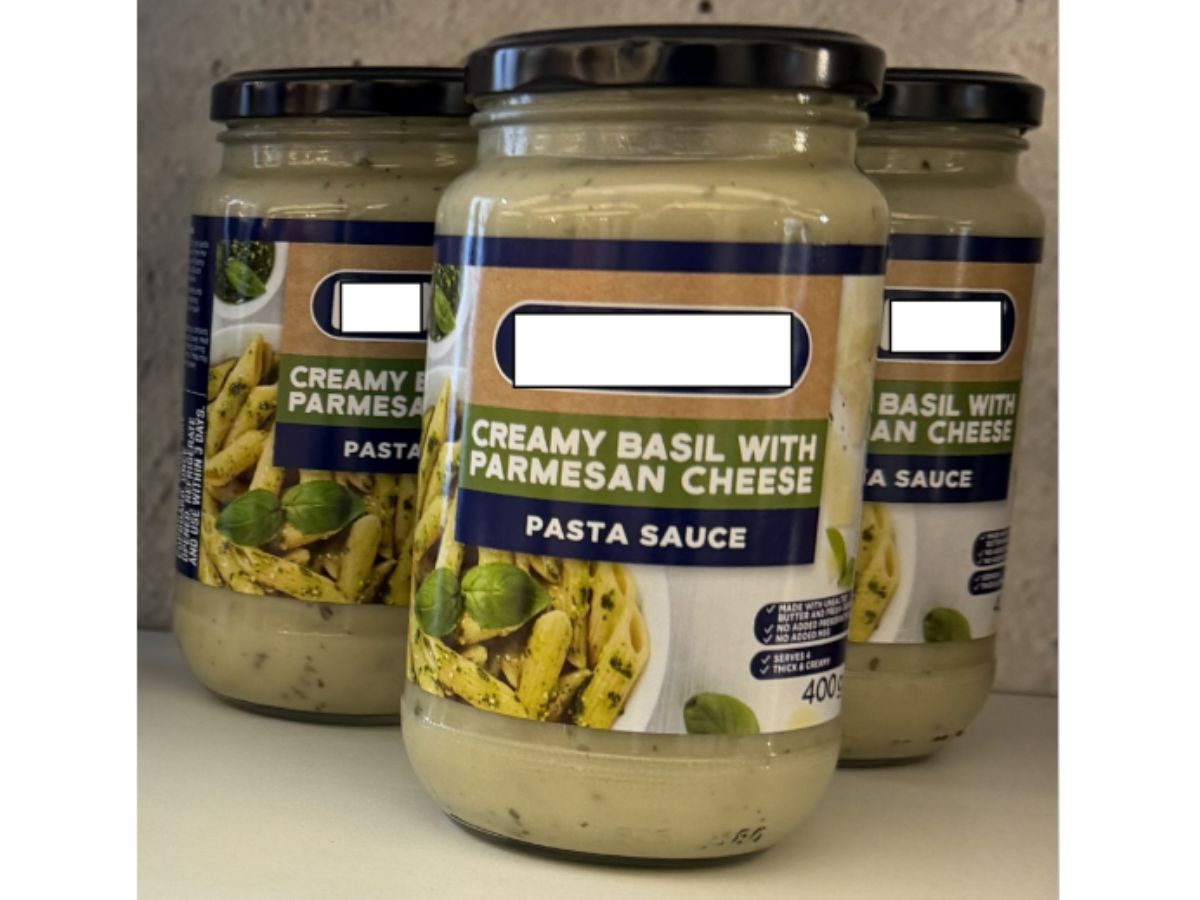
- a sauce bearing the name Creamy Basil with Parmesan Cheese that did not contain Parmigiano Reggiano;
- a cheese sauce, produced in Egypt, bearing the name Ranch Parmesan – Sauce, which did not contain Parmigiano Reggiano;
- two products bearing the names Buffalo Garlic Parmesan Sauce and Truffle Parmesan Sauce, respectively, which did not contain Parmigiano Reggiano;
- a culinary product called Préparation culinaire à base de Sel Parmesan Basilic;
- a cream called Crème de Courgette Parmesan & Basilic.
The French authority, with which the Consortium has also collaborated at previous editions of the fair, acted promptly, removing the six non-compliant products from public display, while establishing that the latter two did in fact use Parmigiano Reggiano.
The business of fake Parmigiano Reggiano
This is not the first time that, during the fair, the Consortium has identified cases of infringement, particularly the use of names evocative of the PDO, which are prohibited within the European Union: following the ruling obtained by the Commission and the Consortium in February 2008 at the Court of Justice of the EU, it was established that the term “Parmesan” is not generic but must be considered an evocation of the name “Parmigiano Reggiano” and cannot be used for cheeses that do not comply with the PDO specification. The Consortium estimates that the business of fake Parmigiano Reggiano outside the European Union amounts to more than 2 billion euros, approximately 200.000 tonnes of product, or almost three times the volume of Parmigiano Reggiano exported.
The comment
“The prompt intervention of the French authorities confirms the effectiveness of the EU system for protecting PDOs, which today requires Member States to carry out direct monitoring of designations of origin,” declared Nicola Bertinelli, president of the Consortium. “This level of protection is unfortunately still a long way off in many non-EU areas, where counterfeiting continues to damage our exports and mislead consumers. However, this latest case of infringement within the Union demonstrates that a further qualitative leap is needed: we need common rules for all European exhibition organisers so that they can guarantee genuinely ‘fake-free’ events, preventing consortia and courts from having to intervene after the event, incurring unnecessary and onerous costs.”
This article was translated from the original Italian version with the assistance of artificial intelligence. In case of discrepancies, please refer to the original Italian version.