Leroy Merlin explores Italians’ expectations and priorities for the home with Homeservatory 2026
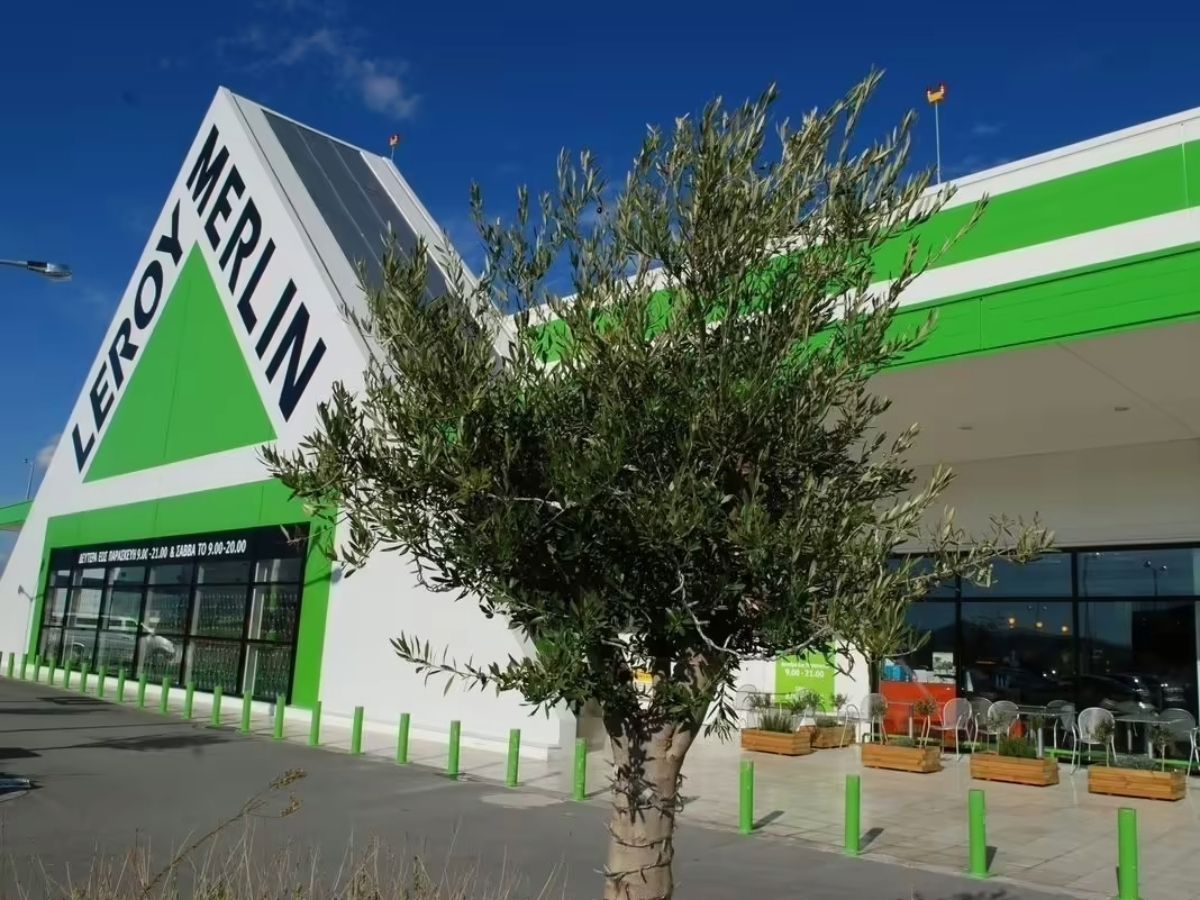
Leroy Merlin explores Italians’ expectations and priorities for the home with Homeservatory 2026
- Information
Leroy Merlin, which this year celebrates 30 years of activity in Italy, has published the results of its Homeservatory, the annual trend report exploring Italians’ expectations, priorities and desires regarding the home.
Privacy and flexibility
According to the 2026 edition of the report, the home must reconcile the need for personal spaces with a daily life in which different activities and needs coexist. The 58% of Italians would prefer a very small home in exchange for having a space entirely of their own, while 24% say they would be willing to consider shared housing solutions.
Flexibility therefore becomes a real necessity: the 62% of respondents are looking for space-saving, multifunctional furnishings, capable of adapting to a daily life in which work, study, rest and personal life often alternate in the same rooms. Outdoor spaces are also taking on an increasingly important role: for 53% of Italians, balconies, terraces and gardens represent a natural extension of the living room, to be enjoyed as an integral part of the home.
A home that promotes wellbeing
For 53% of respondents, wellbeing, personal balance and self-expression are fundamental elements of the home, while for 30%, practicality and functionality remain the main priorities. This focus on wellbeing is also reflected in preferences for the styles and solutions used to personalise domestic spaces.
Among the trends that best reflect this pursuit of wellbeing is biophilic living (16%), expressing the desire to bring nature into domestic spaces through light, plants and natural materials. This sensitivity is accompanied by regenerative minimalism (14%), which favours orderly, pared-back spaces in which to find calm and balance and leave everyday stress behind. Completing the picture is domestic colour therapy (11%), based on choosing colours and decorative elements capable of conveying energy, positively influencing mood and giving spaces personality.
The functions attributed to individual rooms are also changing. The bathroom is considered by some respondents a place in which to protect their privacy (36%) and devote themselves to self-care, transforming the daily routine into a moment of wellbeing, almost like a domestic spa (19%). The kitchen, on the other hand, confirms its role as a space for meeting and conviviality, in which to share time and experiences.
Energy efficiency
Looking ahead to the next ten years, improving the energy efficiency of the home is the measure considered most important by 38% of the sample. Expectations for 2050 confirm this focus: the 52% want homes capable of withstanding the effects of climate change, while 48% would like homes with zero energy bills.
These needs take precedence over interest in advanced technological solutions, such as artificial intelligence and domestic robotics. The main factor holding back the implementation of these measures is cost: 45% of respondents identify high expenditure as the main obstacle, followed by regulatory uncertainty, cited by 31%.
The pleasure of doing it yourself
Homeservatory 2026 also identifies an evolution in the relationship with DIY. While saving money remains an important motivation for 30% of Italians, for 16%, doing things themselves is above all an opportunity for personal fulfilment. 12% also regard it as a form of digital detox, a way to step away from screens and rediscover the value of hands-on activities.
Alongside the desire to carry out projects independently, there is growing interest in more flexible ways of using tools: the 50% of respondents say they would be willing to hire professional equipment, avoiding the high cost of occasional purchases and the need to find space at home to store it.
Comments
“Homeservatory shows how our way of living is changing, shaped by the pursuit of wellbeing, sustainability and new lifestyles. But it also confronts us with the fact that desires must be measured against real financial possibilities,” said Tiziana Mortarotti, brand & marketing intelligence leader at Leroy Merlin Italia. “We want to start from everyday life, to turn desires into solutions that are close to people. This has been our commitment in Italy for thirty years. We have chosen to start with people’s stories, real homes, even imperfect ones, and the desire to make them increasingly places where people feel good, capable of reflecting the personality, needs and lifestyle of those who live in them. Because every home is unique, and wellbeing also comes from being able to make it truly one’s own, placing affordability, functionality and quality at the centre. Our commitment is to democratise home improvement, because improving the home means improving people’s lives.”
“With Homeservatory, we are mapping the profound evolution of the relationship between Italians and the way they live,” said Claudia Guardamagna, marketing & customer intelligence leader at Leroy Merlin Italia. “The data tell us a very clear story: from the ‘functional home’ of past years to the ‘refuge home’, where people can find protection from the stress of the outside world, and finally evolving towards the ‘home of regeneration’, a vital space in which to rediscover their wellbeing, privacy and the flexibility needed to combine maximum energy efficiency with resilience to climate change.”
This article was translated from the original Italian version with the assistance of artificial intelligence. In case of discrepancies, please refer to the original Italian version.