Coop Alleanza 3.0 reports on trends in summer fruit and vegetable purchasing choices
Coop Alleanza 3.0 reports on trends in summer fruit and vegetable purchasing choices
- Information
Coop Alleanza 3.0 observes and reports on the purchasing trends of members and consumers regardingsummer fruit and vegetables, between record-breaking heat and new habits.
Peaches and nectarines take off
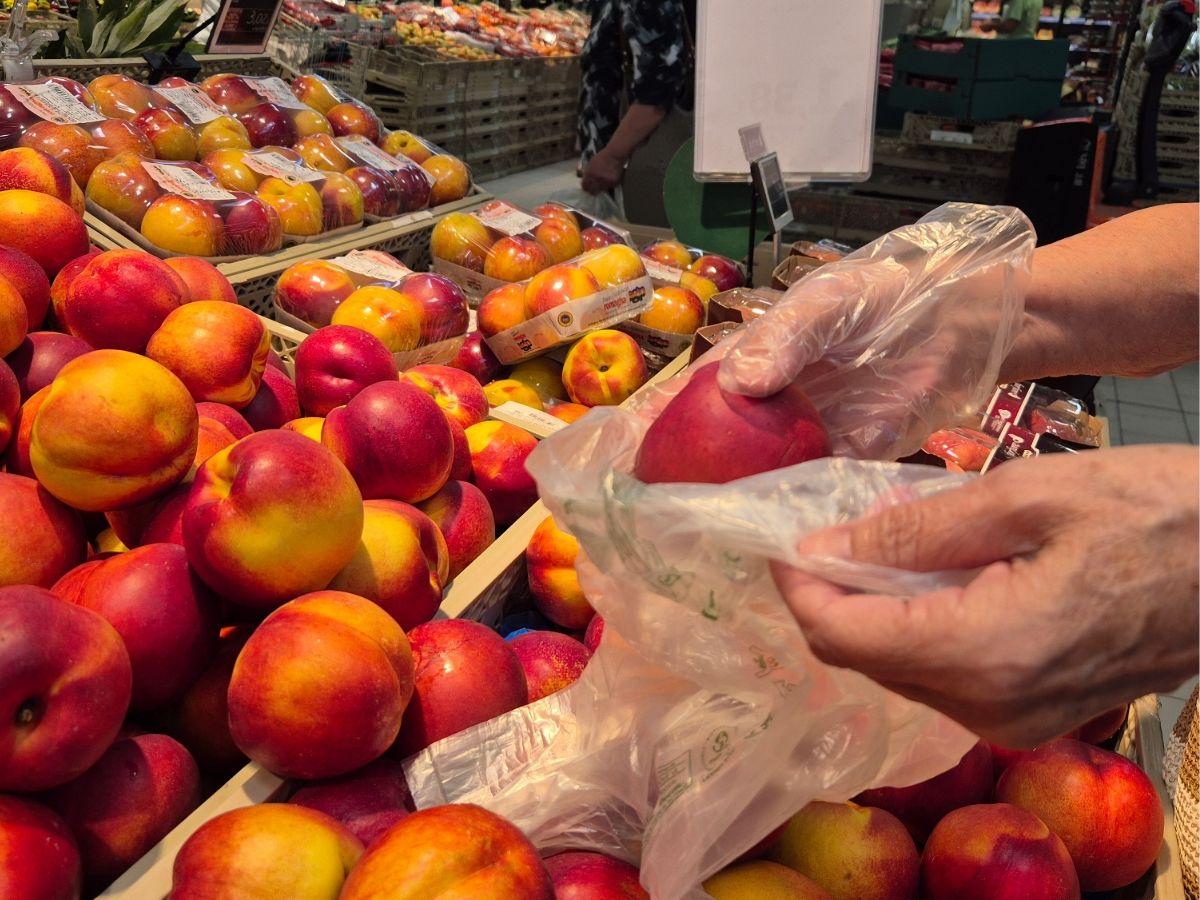
Standing out first and foremost are peaches and nectarines, which record growth in purchased volumes close to 20% compared with last year. However, the increase in quantities corresponds to a decrease in sales value, due to lower prices as a result of a particularly favourable growing season.
The apricots instead grow by double digits, with an increase in value of around 10%, while melons maintain a broadly stable trend. The heat mainly boosts the watermelon, which increases by 10% both in kilograms purchased and in value. The trend is also positive for salads, tomatoes, vegetables and bagged prepared salads, which overall grow by approximately8%.
“High temperatures naturally steer consumption towards fresh, thirst-quenching, easy-to-prepare products suitable for lighter meals – says Pietro Terlingo, fruit and vegetable director at Coop Alleanza 3.0 –. However, the data also tell the story of a favourable growing season, particularly for peaches and nectarines: the ample availability of produce is supporting purchases and, at the same time, making it possible to offer lower prices than last year. Summer fruit and vegetables can thus meet both the desire for freshness and the focus on value for money.”
Mantuan Melon wins over Puglia
Alongside summer’s leading products, some still niche phenomena are emerging, but they are capable of showing how eating habits are changing in the areas where the Cooperative operates. In Puglia, where smooth-skinned melons have traditionally been less widespread, sales of the Melone Liscio Mantovano Igp Fior fiore Coop are growing by 15%. In Friuli-Venezia Giulia and Veneto, on the other hand, products typical of the Apulian tradition are gaining ground, such as Barattieri and, above all, Caroselli, which are recording double the sales of the previous year.
“We are seeing an interesting cross-fertilisation of consumer habits – continues Pietro Terlingo –. Melone Liscio Mantovano Igp is gaining ground in Puglia, where until recently it was little known, while Barattieri and, above all, Caroselli, traditionally associated with southern Italy, are growing strongly in Friuli-Venezia Giulia and Veneto. We are still talking about niche products, but with very significant increases: this is a sign that local specialities travel, are discovered and ultimately go on to change established eating habits too.”
Watermelon: summer in a slice
With growth of 10% both in volume and value, watermelon is among the products that best illustrate the effect of high temperatures on consumption. Also known as a water melon, it is made up of more than 90% water and provides approximately 30 calories per 100 g: characteristics that make it one of the ultimate symbols of summer freshness. The red flesh owes its colour to lycopene, while the white part contains citrulline. The formats also adapt to different household sizes and consumption occasions. Alongside the traditional large-sized Crimson Sweet watermelon are the Midi Nera, with an indicative weight of 4-6 kg, and the Baby or Miniformats, which are easier to store in the fridge and are also suitable for smaller families. The range is completed by the organic products in the Vivi Verde Coop.
Plums and Japanese plums: similar but not the same
Stone fruits that characterise the summer range also include plums and Japanese plums, which are often considered synonyms but are actually different. The European plum, generally more elongated and sweeter, often has blue-violet skin and a stone that separates easily from the flesh. The Japanese plum, which originates in Asia, tends to have a rounder shape, juicier flesh and a fresher, more acidic flavour, with colours ranging from red to yellow and green.
Generally available from June to September, plums and Japanese plums are rich in water, fibre, vitamins and mineral salts. The red, blue and purple hues of some varieties are due to the presence of anthocyanins. At Coop stores, the selection includes several fresh varieties, with products under the Origine Coop, the Metis Fior fiore varieties and organic products from Vivi Verde Coop.
This article was translated from the original Italian version with the assistance of artificial intelligence. In case of discrepancies, please refer to the original Italian version.