From subscriptions to delivery, Italians’ spending is becoming increasingly digital
From subscriptions to delivery, Italians’ spending is becoming increasingly digital
- Information
The digital world has become firmly embedded in consumer habits, affecting leisure time, food, personal care, the home and payments.
According to estimates from the Netcomm B2c eCommerce Observatory and the Politecnico di Milano, in 2026 the value of Italians’ online purchases should exceed 66,6 billion euros, representing growth of 6% compared with 2025. Despite the spread of the subscription-based model, one-off payments remain the main method for many digital expenses. Sectors relying on this type of transaction have progressively integrated new solutions to make operations more immediate and secure. By consulting the complete list of ADM online casinos, for example, it can be seen that an increasing number of authorised operators have expanded their payment options to include methods such as Apple Pay and Google Pay. These tools allow transactions to be authorised through biometric authentication, without having to enter card details manually or save them directly on the gaming platform, thereby reducing the need to share payment information with the individual service. Let us examine in detail the areas in which digital technology has brought about significant changes in Italians’ spending, also assessing the benefits and risks of this approach.
Subscriptions and digital entertainment
The sector in which the change has been most evident is that of entertainment. Video streaming, music, gaming, leisure applications and digital editorial content have become everyday services: users access content from smartphones, tablets, computers or smart TVs, often without physically owning the product. This convenience has encouraged the spread of recurring payments. Subscriptions make access easier, but they also make it easier to lose sight of the overall cost: several services activated at the same time can become a significant item of expenditure. The scale of the phenomenon is confirmed by data from the Digital Content Observatory, published in 2026 and referring to 2025: Italians’ spending on digital information and entertainment content has come close to 4 billion euros, growing by 3%. 96% of Internet users also state that they consume at least one digital item, while 71% use paid content.
Online purchases and delivery
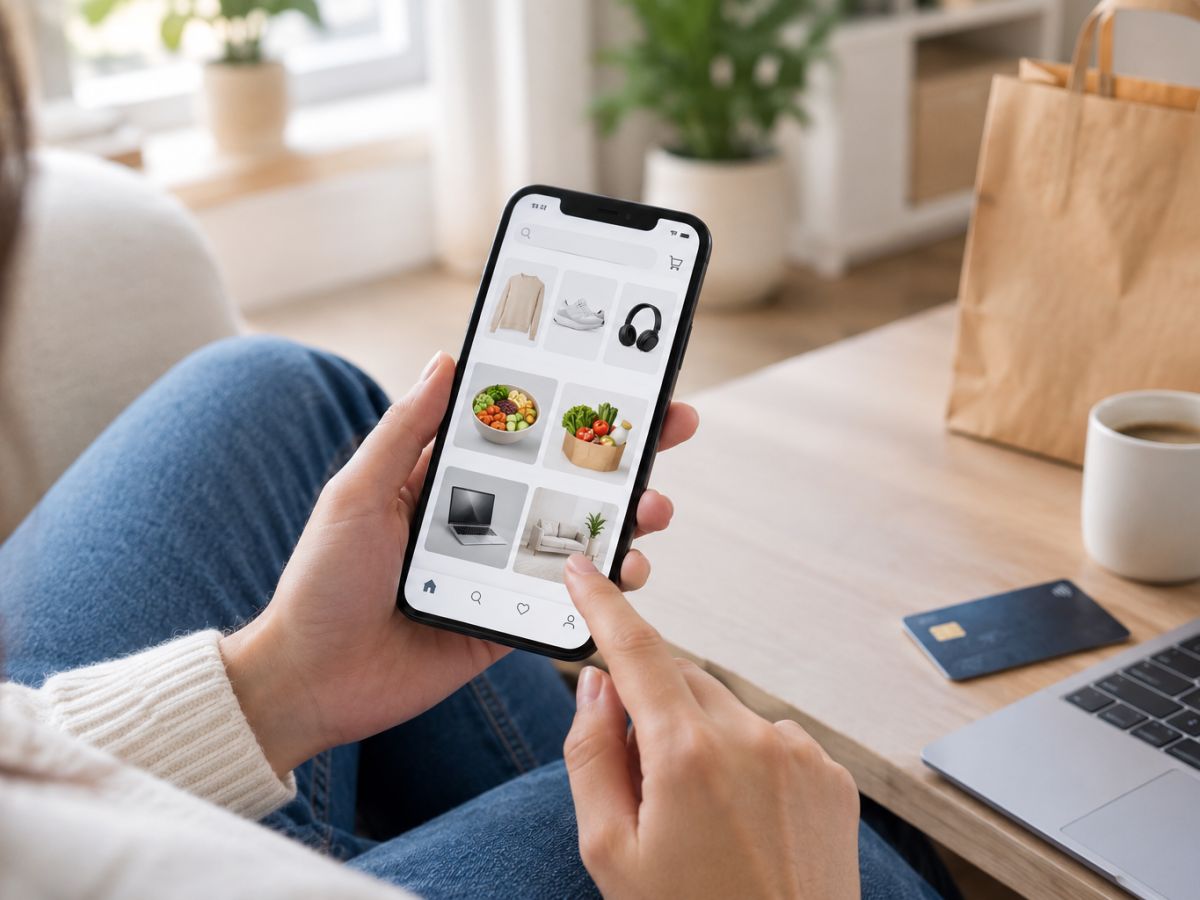
The digitalisation of spending also concerns other sectors, including food delivery, online grocery shopping, the purchase of clothing, electronics and household products. In 2026, according to estimates from the B2c eCommerce Observatory, online purchases of products should reach 42,6 billion euros, while services would reach 24 billion euros, both growing by 6%. The beauty&pharmasector records the highest growth rate, at 8%. IT and consumer electronics, clothing, publishing, furniture and home living, and food & grocery, on the other hand, are growing by between 5% and 6%. Digital wallets are the most widely used instrument by Italian online shoppers, followed by credit cards, while the use of cash on delivery is declining.
Spending to be managed consciously
The growth of subscriptions, e-commerce and delivery is changing Italians’ relationship with everyday spending: fewer visits to the checkout, more scheduled orders, more services activated through apps and a greater tendency to delegate the management of recurring purchases to technology. Convenience, however, requires attention. The advice is to check monthly charges, compare offers before renewing a subscription, check the delivery terms and rely on recognised platforms. The digitalisation of consumption represents an important opportunity for businesses and users alike, who can offer more personalised and efficient experiences, but it also requires users to be more aware, especially because security risks are always present and are becoming increasingly sophisticated. SMEs are also under attack from suspected hackers, demonstrating that no one can afford to feel safe in the digital sphere.
This article was translated from the original Italian version with the assistance of artificial intelligence. In case of discrepancies, please refer to the original Italian version.