Textiles at a turning point: all the obligations and exceptions for producers
Textiles at a turning point: all the obligations and exceptions for producers
- Information
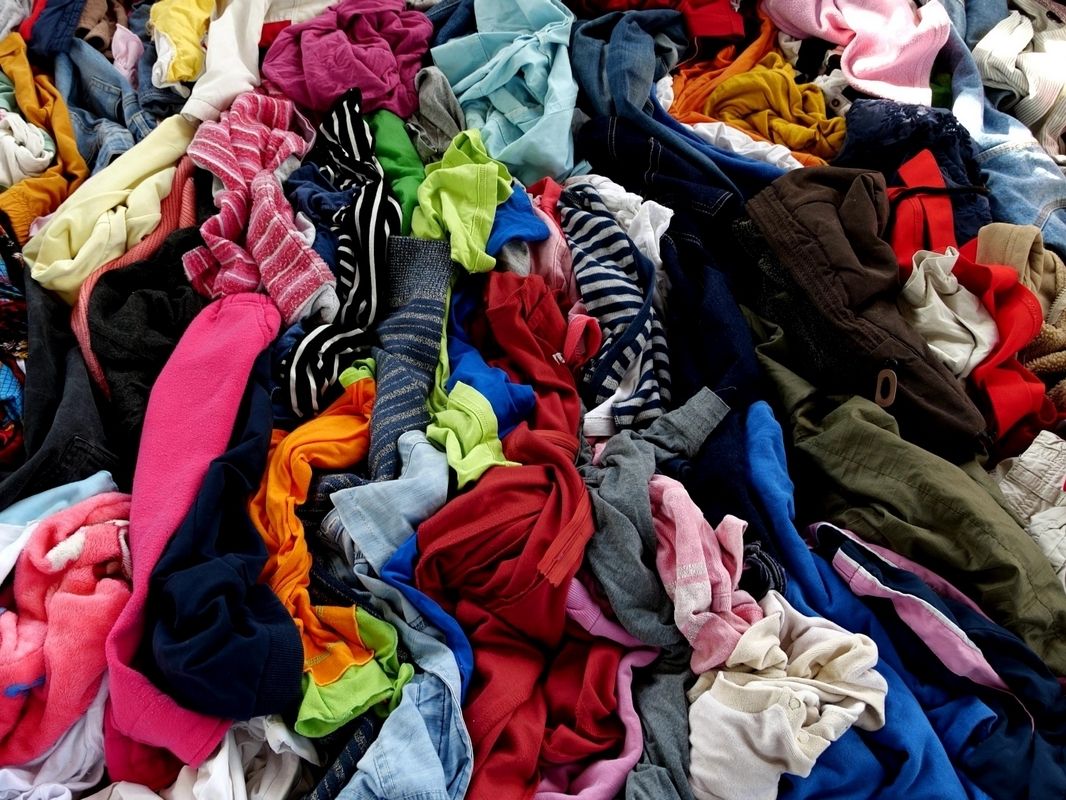
An end to the destruction of unsold textiles. The European ban, in fact, came into force about ten days ago, on 19 July 2026, at least for large companies.
The latter, from 2 March 2027 onwards, will have to submit reports on the status of operations for rescue, recycling, donation…
For medium-sized companies, however, the European legislator has provided for an extension until 19 July 2030, both with regard to the management of surpluses and to mandatory reporting.
For micro and small businesses, exemptions and extensive moratoria are provided for.
Textiles in the sights of the EU legislator
But what can no longer be destroyed? The Ecotessili Consortium explains it; its aim is to create a new EPR system – Extended Producer Responsibility – capable of combining efficiency, traceability and reduced environmental impact in the management of textile products discarded by consumers or businesses, by creating dedicated and reliable supply chains.
The measure, introduced by the EU Regulation 2024/1781 (or Ecodesign Regulation), aims to reduce waste and promote the circular economy. The measure will progressively involve the entire supply chain, according to a precise timetable, to eliminate, in addition to product surpluses that have not found a buyer, warehouse surpluses and consumer returns that have not been reallocated.
In particular, the product categories concerned are clothing and accessories (including leather, knitted or fabric items); footwear of every kind and material; hats and headwear.
When is destruction lawful?
To avoid penalties, companies must implement, the EU specifies, preventive measures such as ecodesign, refurbishing garments, optimising stock and charitable donations.
In addition, large companies will have to publish an annual report online on the management of unsold goods, to ensure maximum transparency.
Ecotessili’s “instructions for use” are very precise and also go into the exceptions.
Destruction remains permitted only in exceptional and documented cases: dangerous, damaged or contaminated products; infringement of intellectual property rights, or counterfeit brands; donation offers rejected by at least three different organisations.
Even in the event of an exemption, companies must give priority to recycling over incineration (energy recovery) and retain the supporting documents for 5 years.
12 million tonnes of waste
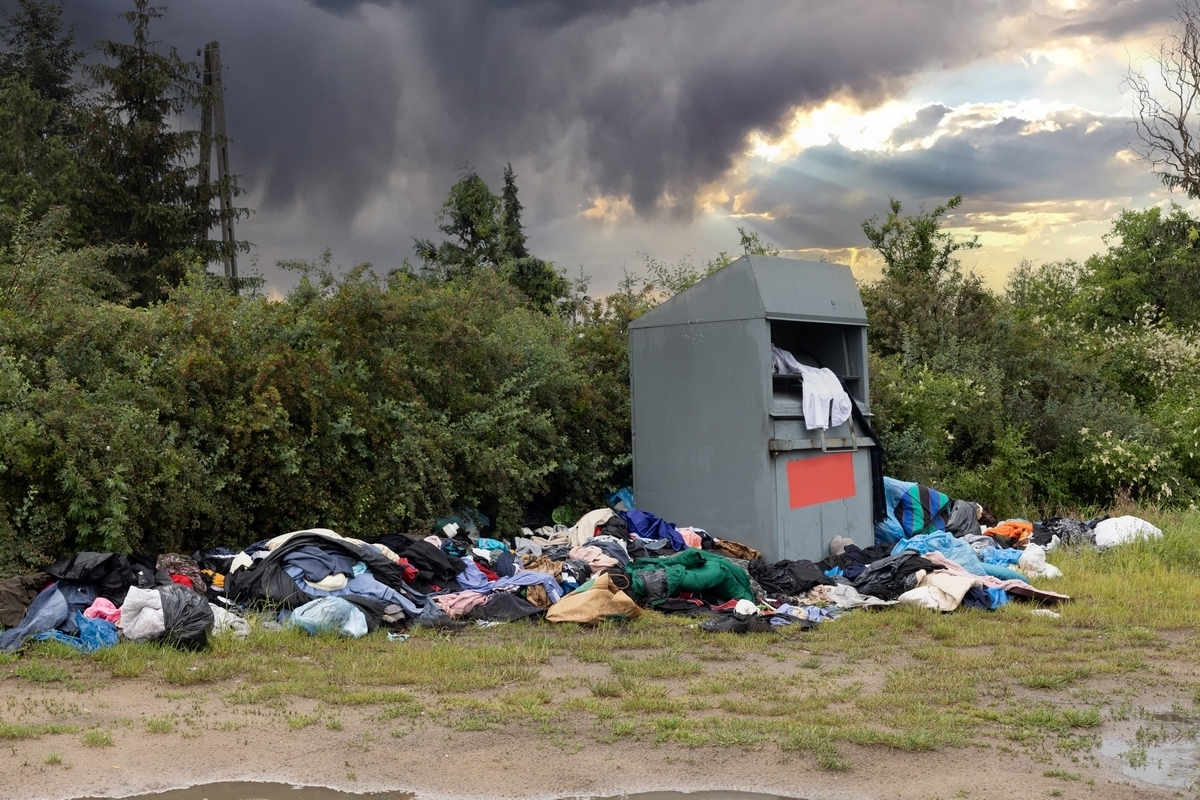
But how large is the waste problem? According to Assoutenti, around 12 million tonnes of textile waste are produced in Europe every year. This has placed further strain on already fragile separate collection systems, which has been mandatory in Europe since 2025 and in Italy since 1 January 2022.
We buy many more clothes than we did twenty years ago, the association further states; we use them for less time and replace them increasingly quickly. The fast-fashion phenomenon has turned many clothes into almost disposable products, with an ever heavier environmental impact.
Moreover, according to the same source, as much as 9% is destroyed before use (defective and unsold garments and more), forming around 594.000 tonnes of textiles. Then there is the issue of online returns, which account for 20% of purchases, although when the customer is considerate, as one would hope, and does not damage the item, the returned product is put back on sale, perhaps at a discount, in the event of minor deficiencies such as the absence of the accompanying label or the manufacturer’s original packaging.
On the subject of waste collection, we will conclude with an observation from Assoambiente , which, in its latest report Italy that recycles, writes that the primacy of Italy – which supports the strength of historic recycling supply chains, such as paper, glass and metals – clashes with certain critical issues that prevent our model from becoming fully established as a fully circular system, with clear difficulties in construction and in the plastics, textile and WEEE supply chains, where the small quantities collected represent one of the system’s main weaknesses, resulting in the net loss of valuable secondary raw materials generated through recovery”.
Other articles:
How food waste burns into large-scale retail revenues
Food waste: Italy above the EU average
This article was translated from the original Italian version with the assistance of artificial intelligence. In case of discrepancies, please refer to the original Italian version.