Small parcels: the EU tax has come into force. Please read the instructions...
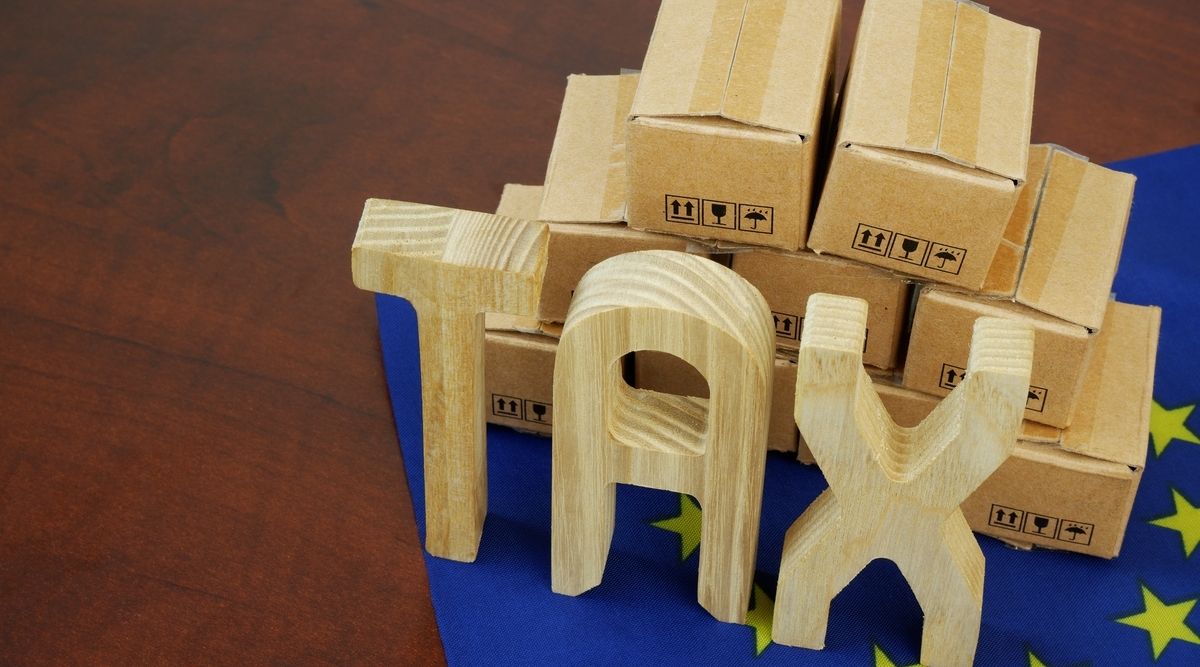
Small parcels: the EU tax has come into force. Please read the instructions...
- Information
Debates and opinions aside, the European tax on small parcels imported online from non-EU countries is clear, perhaps with the relevant FAQs.
From 1° July, anyone selling within the Community through e-commerce must pay 3 euros for each shipment, regardless of its individual value, thus with the definitive abolition of the minimum threshold, previously set below 150 euros.
Small parcels: why one package counts as two
The temporary rule – which will remain in force until 2028 pending the operational launch of the EU Customs Data Hub for e-commerce – was published in the OJEU, the Official Journal of the European Union, dated 8 June 2026, already duly accompanied, from 5 June, by the operational rules.
The imposition that affects, as mentioned, the sellers, even though passing it on to consumers is inevitable, applies not per parcel, but per category. For example, two T-shirts and a watch pay 6 euros, even when they are in the same package.
A blow for Chinese marketplaces. The European Commission explains that, in 2024, approximately 4,56 billion small parcels entered the territory of the twenty-seven Member States (twice as many as in 2023), of which 91% came from the People's Republic. But the estimated volumes for 2025 reached around 5,9 billion items.

The EU rejects the term “protectionism”
An increase that prompted the EU, which explicitly rejects the word “protectionism”, to take urgent action.
The reasons stated by the Community authorities are: to prevent unfair competition, given that some sellers from third countries evade customs duties; to avert risks to consumers in terms of dangerous or non-compliant products entering the market; to reduce the environmental impacts caused by splitting shipments into many small parcels (although counting on the basis of category could work against this).
These rules apply to all 27, so let us limit ourselves to a focus on Italy, while acknowledging that each country acts independently.
France, for example, the epicentre of events, is already considering increasing the tax amounts, although, as we shall see, it will not be able to outbid others.
Regulatory clarity has also begun to emerge here.
What will happen to the 2 euros of the Italian tax
Initially, that is, with the Budget Law 2026 (Law 30 December 2025, no. 199), a national tax of 2 euros was envisaged, in addition to the EU tax.
The imposition was then moved to 1 October 2026 and then again, presumably (Ansa source), to 1° October 2027, if the proposals by Lega and Forza Italia are successful; they have submitted identical amendments to the Infrastructure and PNRR Decree, currently being examined by the Chamber of Deputies' Budget Committee.
The postponement would serve precisely to avoid incurring EU sanctions. But the national tax cannot come into force, since, in the FAQs, the EU has clarified that European law overrides local law in all the territories concerned.
A fact that many associations, including Netcomm, Federlogistica and Federdistribuzione, had already hoped for: according to these sources, double taxation would in fact risk seriously penalising the e-commerce supply chain.
In short, let us repeat: sellers must pay 3 euros from 1° July onwards, and there is little to discuss about this.
An implementing decree will certainly still be needed, but “all resistance is futile”.
According to an estimate by Confesercenti, in Italy the annual tax revenue could amount to one billion euros, with the resources expected to be distributed between the Union and the Member States.
Read also:
EU and France join forces against small parcels
This article was translated from the original Italian version with the assistance of artificial intelligence. In case of discrepancies, please refer to the original Italian version.