The Armonia Consortium obtains the European patent for Perrina, the Italian late-season clementine
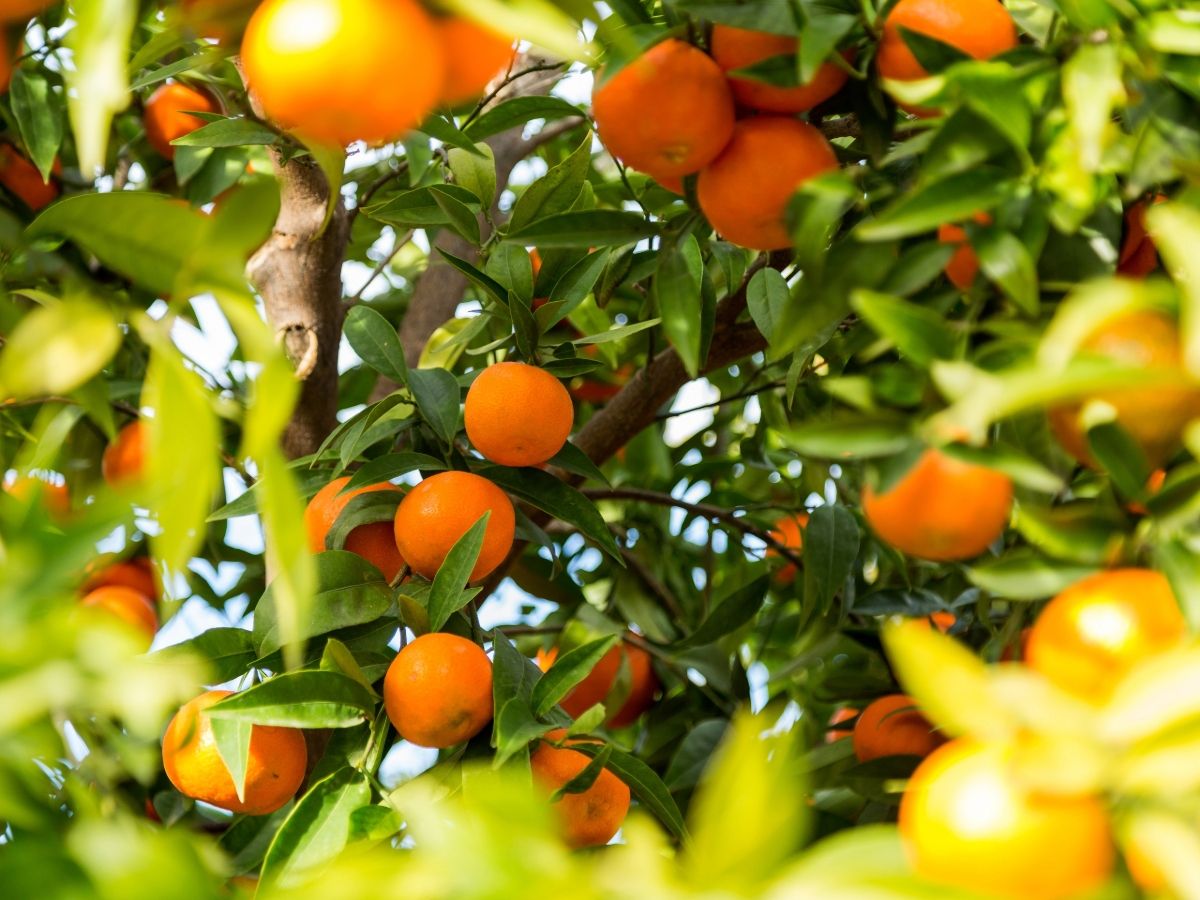
The Armonia Consortium obtains the European patent for Perrina, the Italian late-season clementine
- Information
Perrina, the late-season clementine developed through significant Italian private research, has obtained the Community plant variety right from the Community Plant Variety Office (Cpvo), following the official distinctness, uniformity and stability (Dus) examinations conducted by the Technical Examination Unit for Variety Identification (Uetiv) at Ivia in Valencia.
The plant variety right was granted with validity until 31 December 2056. The Perrina clementine was identified through the clonal selection of a spontaneous bud mutation observed on a common Clementine plant and subsequently subjected to an extensive process of experimentation and plant material sanitation.
For the Armonia Consortium, which has assumed exclusive responsibility for managing the commercial dissemination of the variety under agreements with the breeder, Perrina represents a strategic project for varietal innovation and supply-chain development.
“With the Perrina clementine, we are giving concrete form to a need that concerns the entire citrus supply chain: to extend and enhance the commercial calendar of the Italian clementine through an innovative varietal offering developed in our country,” declares Marco Eleuteri, CEO of the Armonia Consortium. “Our task is to transform the value of varietal research into a structured supply-chain project capable of involving growers, nurseries, distribution and the end consumer.”
The clementine that extends the commercial calendar
Perrina’s main distinguishing feature is its late-season ripening window, which falls approximately between the second half of December and the whole of February, with variations linked to the cultivation area and the rootstocks used.
The new variety therefore fits into a particularly interesting phase of the citrus calendar, with the aim of creating continuity between the traditional clementine and the late-season mandarin varieties currently available on the market.
Extending the harvesting window may also be important in light of the changes affecting Italian clementine cultivation. According to the data and assessments presented in the recent feature dedicated to the variety, increasing climate variability is helping to reduce the useful commercial window for the common clementine, making varietal innovation increasingly relevant.
The production phase
The project is not limited to the experimental phase. In the Piana del Sele, at the Paloma farm, approximately 10.000 Perrina plants are already present and are now in their fifth year since planting. The production results recorded in the plantations already in operation confirm the variety’s potential and allow the project to enter a phase of progressive growth in volumes.
For the current season, expected availability is approximately 500 tonnes, a quantity that makes it possible to strengthen a significant and, above all, planned commercial presence.
The dissemination of the variety is also part of an organised supply chain: the propagation of plant material and the production of young plants are entrusted exclusively to Vivai Milone in Lamezia Terme.
From research to the supply chain
One of the defining features of the Perrina project is the collaboration between different supply-chain stakeholders. The variety originated from the private research of agronomist Francesco Perri, and the development process also involved Crea-Ofa in Acireale, which oversaw the plant material sanitation phase.
The recognition of the Community plant variety right thus represents an important step not only for the new variety, but also for a model of innovation based on collaboration between private research, public research, nurseries, production and commercial organisation.
“The Community protection of the variety is a fundamental step because it makes it possible to build a supply-chain project in which innovation can be properly enhanced and protected,” emphasises agronomist Francesco Perri, breeder of Perrina. “The objective was to bring a late-season Italian clementine to the market that could respond to new production and commercial needs, while keeping fruit quality and the enhancement of the territory at the centre.”
The added value for large-scale retail
For the Consortium, the development of Perrina forms part of a broader strategy: to create value through varietal innovation and greater supply planning.
The availability of an Italian late-season clementine makes it possible to operate during a commercial period in which continuity of supply, varietal distinctiveness and the ability to plan volumes can become significant factors in the relationship with modern distribution.
For Gdo, the project offers the possibility of complementing the traditional offering with a new Italian product line characterised by a specific varietal identity and an extended commercial calendar, as part of a controlled and plannable supply-chain process.
This article was translated from the original Italian version with the assistance of artificial intelligence. In case of discrepancies, please refer to the original Italian version.