ProFood on the Compostability Decree: assessing materials and functions for informed implementation of the Ppwr
ProFood on the Compostability Decree: assessing materials and functions for informed implementation of the Ppwr
- Information
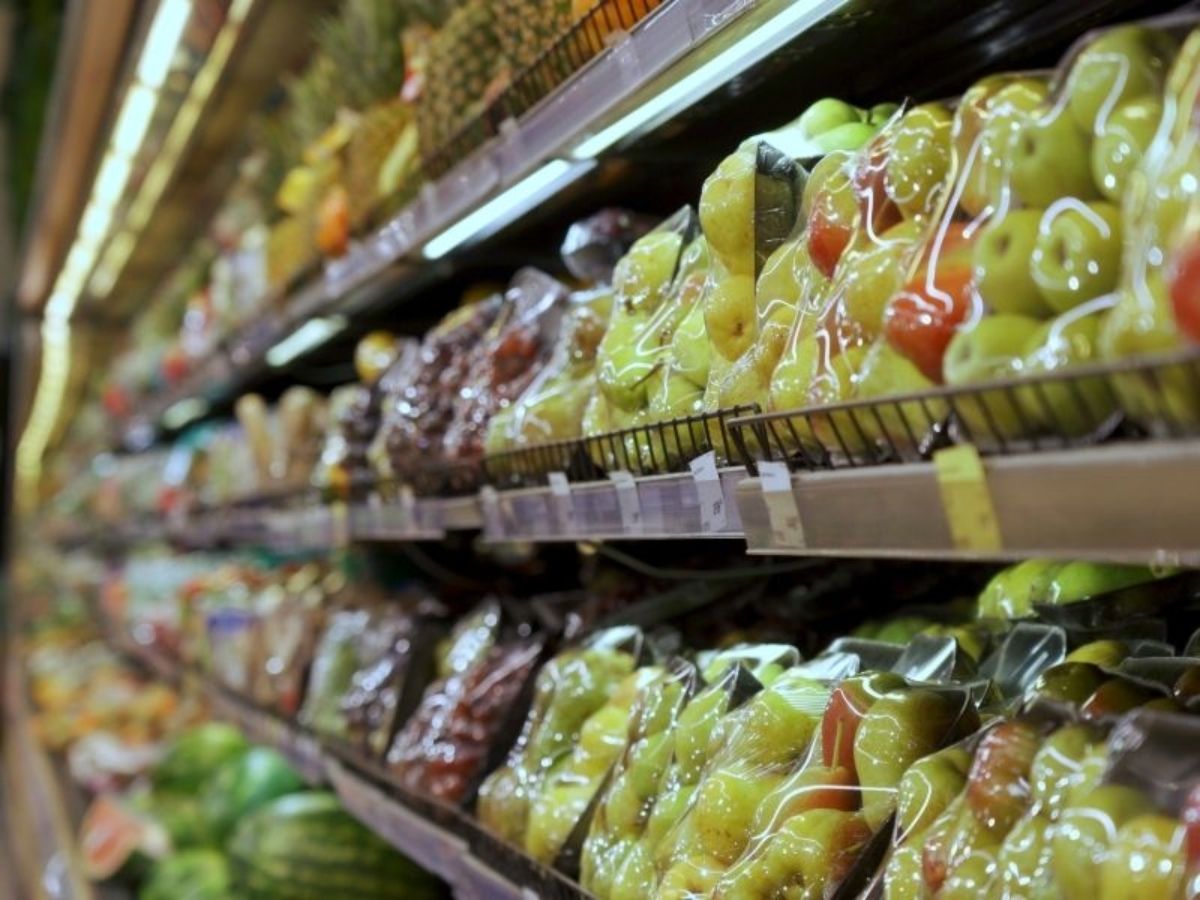
ProFood comments on the Chamber of Deputies’ final approval of the law converting the decree-law 7 August 2026, No. 143, the so-called Compostability Decree, which confirms the exemptions from the obligation to use biodegradable and compostable packaging for numerous pre-packed fresh fruit and vegetable products weighing less than 1,5 kg.
The decree
The decree introduced a compostability obligation for certain single-use plastic applications, including packaging for less than 1,5 kg of pre-packed fresh fruit and vegetable products. However, during parliamentary examination, an important safeguard was introduced: for packaging intended for a broad list of fruit and vegetable products, the compostability obligation does not apply “pending the implementation of the European Commission’s guidelines” provided for in Article 25, paragraph 6, of the Ppwr.
It is also important to clarify what the phrase “pending implementation” means. After the European Commission publishes its guidelines on the application of the restrictions set out in Annex V to the Ppwr (scheduled by 12 February 2027), a further national legislative intervention will be needed to implement these guidelines. Only after this new national intervention could the application of the compostability obligation change.
The publication of the European Commission’s guidelines will therefore not automatically terminate the safeguard provided for under Italian law, and packaging intended for products included in the list may therefore continue to be made from conventional plastic and will not necessarily have to be compostable after 12 February 2027.
It should also be remembered that the list of products included in the law was not prepared by Unionplast and ProFood, but arose from the work of the fruit and vegetable sector, which is already also working with the European Commission on the specific packaging requirements of the different products ahead of the publication of the guidelines.
The work of Unionplast together with the ProFood Group continues as final approval brings the parliamentary phase to a close, but not the dossier.
The comment
“Fruit and vegetables are a sector in which packaging plays a crucial role in protecting the product and therefore in preventing food waste,” comments Mauro Salini, president of ProFood. “For this reason, during the delicate phase of receiving the Ppwr provisions, we asked for careful consideration to be given to the function of the packaging, the characteristics of the product, its shelf life and the overall environmental impact. The principle is to avoid imposing a material before a European technical framework has been defined. The approved amendments recognise the reasonableness of this approach.”
Packaging covered by the exemptions
The following is the list of pre-packed fresh fruit and vegetable products for which packaging is not subject to the compostability obligation pending implementation of the European Commission’s guidelines.
Fruit
- Stone fruits: cherries, apricots, peaches, nectarines and plums
- Berries and small fruits: table grapes, mini-kiwi (kiwiberry), strawberries, raspberries, blackberries, currants and blueberries
- Fruits with a peel: kiwis, passion fruit, extremely delicate Ficus carica, prickly pears, pitaya and avocados
- Pome fruits: pears and apples at the stage of ripeness for consumption
- Persimmons
Vegetables
- Leafy vegetables, herbs and edible flowers: lettuces, escaroles, Belgian endives, rocket, spinach, watercress, lamb’s lettuce, sprouts and young shoots, baby-leaf crops
- Brassicas, excluding brassica roots: broccoli, cauliflowers, Brussels sprouts and leafy cabbages
- Fruit vegetables: tomatoes, peppers, aubergines, cucumbers, gherkins and courgettes
- Leguminous vegetables: green beans in pods
- Root and tuber vegetables: potatoes, radishes and carrots
- Stem vegetables: asparagus, rhubarb and leeks
- Small-sized, highly fragile vegetables: including cherry tomatoes and mini-cucumbers
Also included are:
- fresh aromatic herbs
- cultivated mushrooms
- ready-to-eat fourth-range fruit and vegetables
This article was translated from the original Italian version with the assistance of artificial intelligence. In case of discrepancies, please refer to the original Italian version.