Assica Observatory: industry and distribution together for the future of cured meats
Assica Observatory: industry and distribution together for the future of cured meats
- Information
The second edition of the Assica Observatory highlighted the desire to build a shared vision for the future of the pork and cured-meat supply chain, starting with changes in the international landscape and extending to new purchasing dynamics at the point of sale.
The event, which brought together representatives of industry and distribution yesterday at the Testori Auditorium in Palazzo Lombardia, continues the process initiated by Assica with the aim of making dialogue between the different players in the supply chain increasingly structured, in a particularly significant year for the Association, which is celebrating 80 years since its foundation.
The opening message
The president of Assica, Lorenzo Beretta, opened the proceedings by highlighting the value of this second event: “Today more than ever, we believe it is necessary to strengthen dialogue between industry and distribution. We are at a stage where changes in the international landscape, evolving consumption patterns and pressure on competitiveness require us to look beyond the present and seek to build together the conditions for future, lasting growth. Italian distribution represents the strategic interlocutor for our supply chain, and the Assica Observatory aims to be a practical forum for discussion, in which data, expertise and different perspectives can be pooled to identify strategies capable of enhancing the sector and responding to consumer needs”.
International scenarios
The discussion on international scenarios was opened by Eva Gocsik, global strategist for animal protein, and Silvia Ongaro, head of food & agri coverage, at Rabobank, who highlighted how, in a European pork market characterised by supply pressures and weaker international demand, the ability to generate value is becoming increasingly central. “The European pork market is moving from a volume-based approach to a value-based approach. Supply pressures and weaker demand in international markets are accelerating the need for a more consumer-focused approach, founded on quality, differentiation and trust”.
The economic weight of industry and distribution
Next, Benedetta Brioschi, partner and head of food&retail at Thea – The European House Ambrosetti, outlined the economic weight of the supply chain and the areas on which industry and distribution can work together. “The Italian pork and cured-meat industry is a key asset for the competitiveness of the Italian agri-food sector. Through analysis of supply and subcontracting chains, Teha reconstructed its extended supply chain: an economic ecosystem that enables 18,8 billion euros in added value. We listened to the various components of the supply chain, and the discussion produced a clear message: the sector’s future competitiveness will increasingly depend on its ability to generate value and make it recognisable to consumers, strengthening the domestic market, which is expected to contract in 2026, and consolidating its position in international markets, where there is still considerable potential. Industry and distribution are called upon to build the sector’s future together: with more than 70% of pork and cured-meat consumption passing through distribution, it is essential to define a shared medium- to long-term vision to support the growth, innovation and competitiveness of the entire supply chain”.
Consumption figures
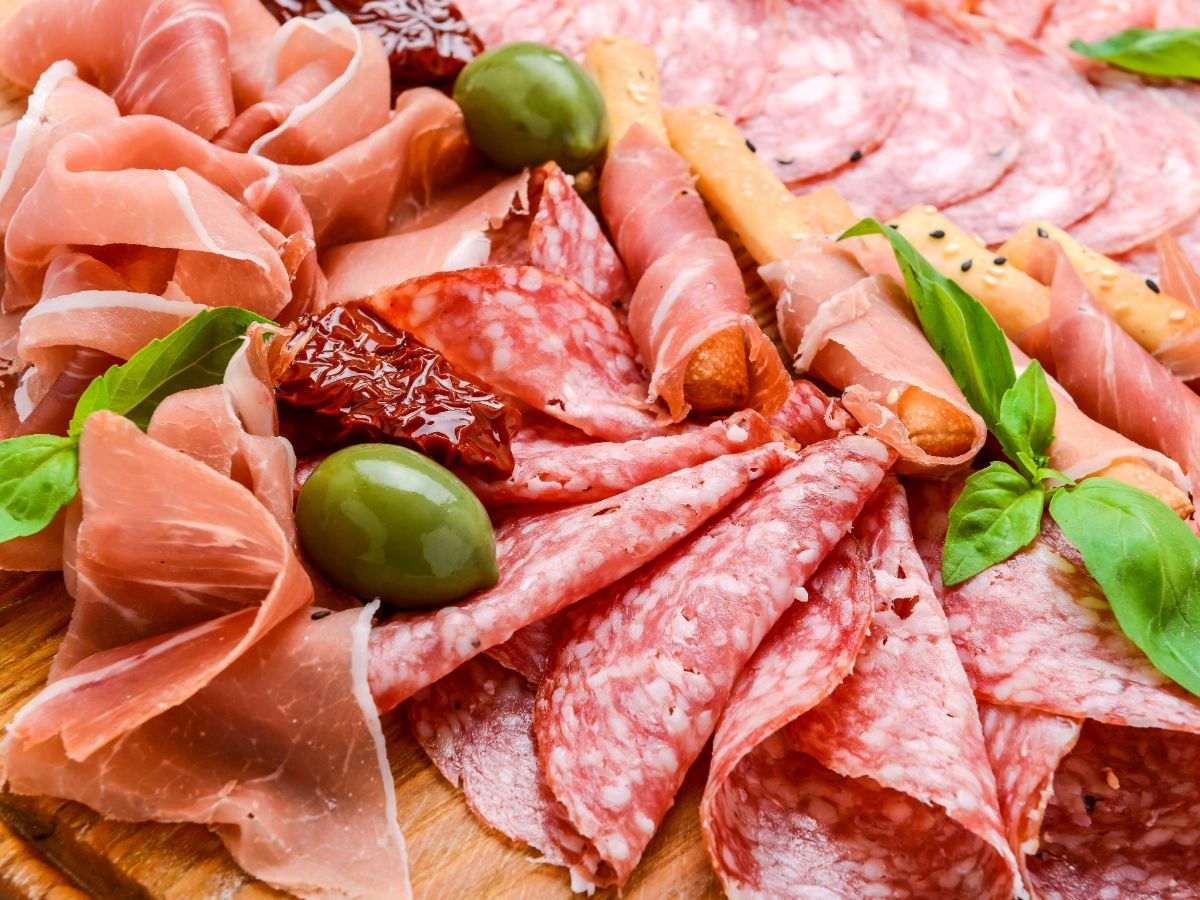
The third in-depth analysis was entrusted to NielsenIQ. The data presented confirm the central role of cured meats in Italian households’ shopping baskets: the category reaches 25,3 million households, representing more than 98% of the total, and generates approximately 6,7 billion euros in value sales in the year ending in August 2026.
As explained by Romolo De Camillis, South Europe retailer director and Tiziana Fumagalli, consumer panel senior analytics manager at NielsenIQ, “cured meats do not have a penetration problem: they are already present in practically every Italian household. The real opportunity is to increase the occasions on which they enter the shopping basket. And the data tell us that an important part of this battle is played out precisely in the final metre, because almost four purchases in ten are decided inside the shop. For industry and distribution, this means having common ground on which to work: making quality recognisable, enhancing the different counters and turning the in-store experience into new purchasing opportunities”.
The analysis also shows that, when choosing a point of sale, product quality, cleanliness and tidiness of the department, and freshness are among the most important factors for consumers. Quality is also recognised through tangible elements such as the appearance of the product, 100% Italian origin and Dop and Igp certifications.
The round table
The morning concluded with the round table “Industry and Distribution discuss the future of the meat and cured-meat supply chain”, attended by Vincenzo Giuliani, national head of fresh-food purchasing at Conad; Paolo Guzzardi, general manager of Galbani Meat – Gruppo Lactalis; Marella Levoni, director of external relations and communications at Levoni and president of the Istituto Valorizzazione Salumi Italiani; Alessandro Masetti, grocery director at Coop Italia; Maurizio Moscatelli, chief executive officer of Gruppo Granterre; Giorgio Santambrogio, chief executive officer of Gruppo VéGé.
The final comment
A moment dedicated to direct discussion among supply-chain operators about the sector’s prospects and possible common strategies, forming part of the process initiated by Assica to foster greater collaboration along the supply chain and turn an understanding of market changes into shared strategies. “The second edition of the Observatory confirms how important it is to create opportunities for Industry and Distribution to engage in open dialogue, starting from the data and transformations affecting the market. The future of the supply chain depends on our ability to work together to enhance our cured meats, which, I remind you, are the best in the world, better interpret consumer needs and strengthen the competitiveness of the entire sector. It is a process that we want to continue building together”, concluded Lorenzo Beretta, president of Assica.
This article was translated from the original Italian version with the assistance of artificial intelligence. In case of discrepancies, please refer to the original Italian version.