La Doria: 540.000 tonnes of tomatoes processed during the 2026 campaign, up 68%
La Doria: 540.000 tonnes of tomatoes processed during the 2026 campaign, up 68%
- Information
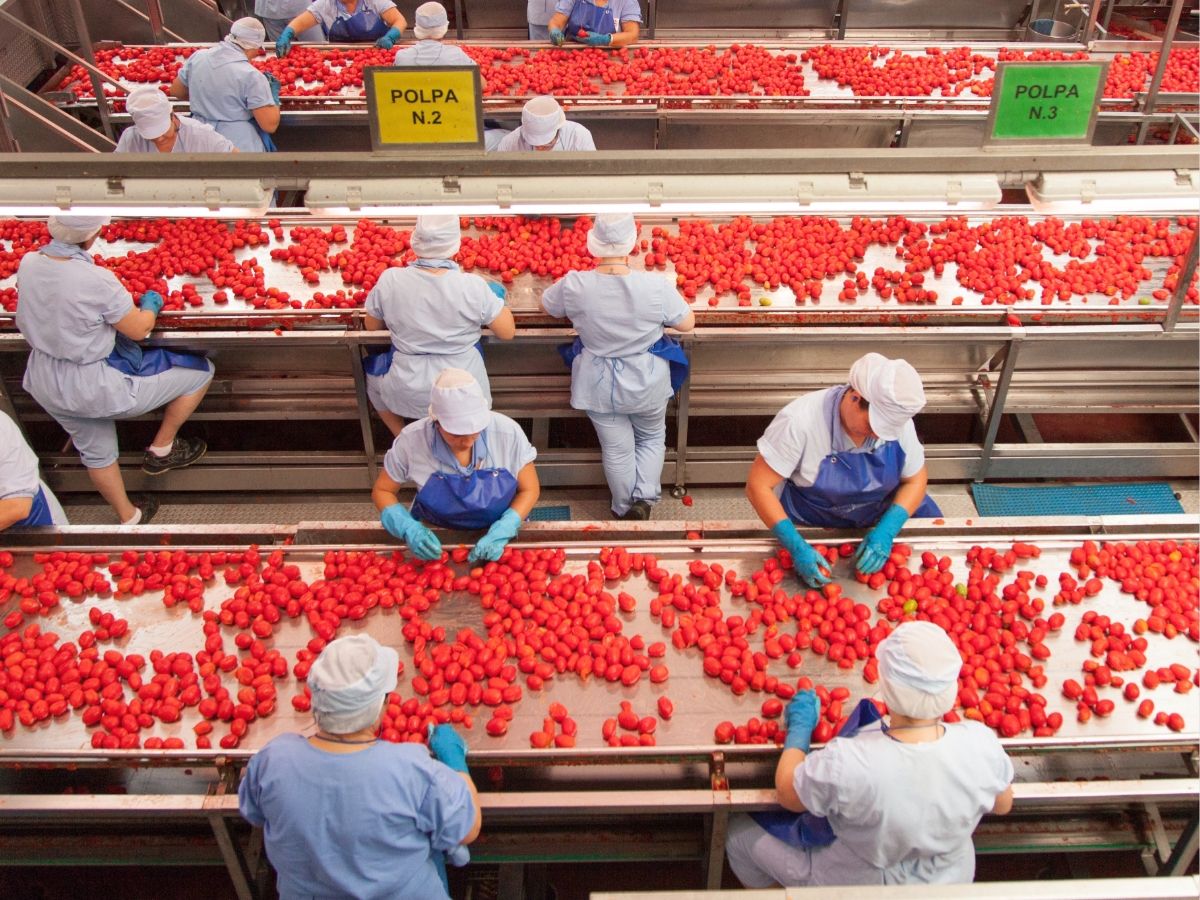
La Doria has completed the 2026 tomato processing campaign with approximately 540.000 tonnes of raw material processed, recording an increase of 68% compared with 2025 and 88% on 2024.
The Group's growth has also been supported by the strategic acquisitions it has made, including Fegé and, more recently, Solana. These transactions have enabled La Doria to expand its industrial presence, increase production capacity and strengthen its position in the various market segments.
Thanks to this growth trajectory, the Group has become the third-largest national operator in tomato processing by volume of raw material processed.
The Group in figures
With the 2026 tomato processing campaign, La Doria is consolidating its role in the Italian industrial tomato supply chain. With 6 tomato-dedicated plants (out of 15 in total), located in the two main production areas of northern and central-southern Italy, the Group can now rely on a larger and more diversified industrial platform, capable of meeting the needs of the retail, industrial and food service channels and serving customers with different requirements. Following the recent acquisitions, La Doria has more than 1.500 employees and employs over 1.300 seasonal workers.
National estimates for the 2026 campaign indicate a quantity of tomatoes destined for processing of approximately 6,3 million tonnes, up on the approximately 5,8 million tonnes of the previous year, but below initial expectations.
The technology project
In a context where climate change is an increasing challenge for the tomato supply chain, increasingly affecting the availability of water resources, temperatures and crop development, the use of advanced technologies to monitor and manage agronomic activities is becoming increasingly strategic for sector operators. La Doria's collaboration with Evja, a company specialising in technologies for precision agriculture, launched in 2022, is part of this approach.
The project involves using microclimate monitoring stations based on Internet of Things (IoT) technologies and data analysis systems incorporating artificial intelligence. These tools make it possible to monitor the environmental and agronomic conditions of crops in real time and generate forecasts that are useful for planning irrigation and assessing the risk of the main plant diseases occurring.
The information collected supports farms in using resources more efficiently, improving the timeliness of interventions and contributing to more informed crop management, including in variable climatic conditions.
According to data for the 2026 campaign, the project recorded, on the monitored areas, a 46% reduction in water consumption and a decrease of up to 50% in the use of chemical fungicide treatments and 33% in insecticide treatments compared with what would have occurred on the same areas without the use of Evja technology.
The initiative currently involves approximately 25 supplying farms, located across Lazio, Campania, Puglia and Basilicata. The project covers some of the areas cultivated by the Group's agricultural suppliers, as part of a procurement system that extends over a total of approximately 7.000 hectares.
Comment
“The 2026 campaign ran from mid-July to 9 October, longer than usual, mainly due to climatic conditions, which affected agricultural yields and the characteristics of the raw material, thereby also impacting industrial processing yields. The distribution of deliveries over a longer period also made it more difficult to schedule processing and make optimal use of the plants' production capacity, with repercussions for production efficiency. This was compounded by a significant increase in energy costs,” says Antonio Ferraioli, chairman and chief executive officer of La Doria. “Despite the uncertainties and complexities of the campaign, La Doria has been able to address the challenges by drawing on the flexibility of its production set-up and its long-established relationships with agricultural partners. Our integrated and increasingly well-structured model enables us to manage the various stages of the processing cycle more effectively and to deal successfully with the variables that characterise each campaign, while maintaining the high quality standards that distinguish our products”.
This article was translated from the original version in Italian with the assistance of artificial intelligence. In case of discrepancies, please refer to the original version in Italian.