Federalimentare Report 2026: growth, employment and sustainability drive the food sector
Federalimentare Report 2026: growth, employment and sustainability drive the food sector
- Information
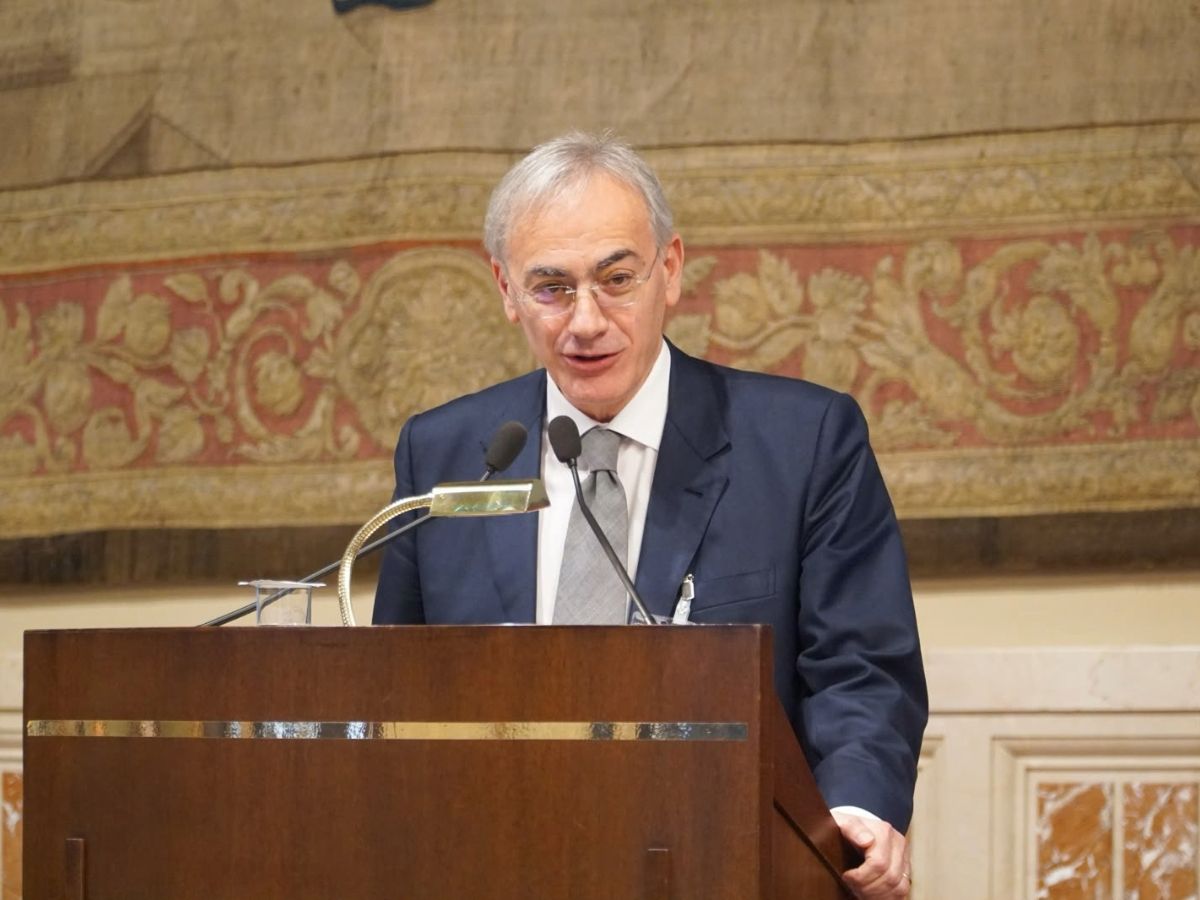
Federalimentare promoted the Report 2026 “Towards sustainable competitiveness”, produced by the Santa Chiara Lab of the University of Siena and presented to the Chamber of Deputies.
The report provides a snapshot of a sector in excellent health which, in addition to strong economic growth, has made significant progress in environmental performance, employment and competitiveness.
Competitiveness and employment
The food industry is consolidating its position as a macroeconomic pillar of the country, thanks to its added value (42,3 billion euros in 2025) and a positive trade balance of 14,3 billion euros, driven by the value of Made in Italy, including the 897 labels among PDO, PGI and TSG that make Italy a European leader in certified and protected products.
The industry's competitiveness is also increasing thanks to its employment trends, with the sector growing more than its European counterparts and recording 524.500 employees, an increase of +43% compared with 2010. The sector also stands out for the stability of its employment contracts: 75,9% of contracts nationwide are permanent.
Environment and energy
Investments made by the food industry in sustainability and the green transition are proving effective both in increasing production and in reducing environmental impact. Between 2008 and 2024, in fact, direct greenhouse gas emissions fell by 27%, while production increased by more than 12%. The figures for energy efficiency are also positive: between 2010 and 2024, there was a decrease of 0,9% in consumption despite a production increase of 11,3%, showing that industrial production growth has maintained energy demand at the same level.
Circular economy, safety and human capital
Italy confirms its leadership in the circular economy: nationally, 75,6% of packaging was sent for recycling, well above the EU average of 67,5%. These figures are the result of practical initiatives ranging from self-generation and purchasing of renewable energy to energy and water efficiency, from heat recovery to the valorisation of waste and by-products, as well as innovation in packaging, digitalisation and traceability.
Transparency, governance and supply chain oversight
The move towards transparent, digitalised reporting is now well under way, also to protect companies from reputational risks and greenwashing. 58% of companies assess their suppliers according to ESG criteria, parameters used to measure a company's sustainability, ethical responsibility and long-term impact. Added to this are a focus on the environment and fairness, the use of new technological solutions and corporate governance, which can help address not only the climate and social transitions but also other crucial issues for our businesses, such as demographic decline and the digital transition.
Comments
Adolfo Urso, Minister for Enterprises and Made in Italy, said: “The agri-food sector is one of the pillars of our Made in Italy, a heritage of quality and excellence that the Government is committed to supporting and promoting while addressing challenges across the entire supply chain. In this process, sustainability must be viewed not only as respect for the environment—a principle our farmers have always applied—but also as a strategic driver of competitiveness and development. The positive results achieved are the fruit of the commitment of businesses and workers, who are the sector's true wealth, and of the ability to innovate through new technologies. This is the virtuous model we want to promote in Europe too, building on tangible results and recognising the people who contribute every day to the success of our products. The crises of recent years have also reminded us that food availability and security of supply cannot be taken for granted, but are fundamental conditions for the country's stability and growth. We must therefore celebrate the achievements made and, at the same time, create the conditions to meet future challenges, further strengthening the competitiveness and resilience of our agri-food supply chain.”
Paolo Mascarino, President of Federalimentare, observed: “The report provides a snapshot of a sector in excellent health. The figures show that all macroeconomic indicators are positive, and that investment in decarbonisation and sustainability is paying off in the form of lower CO2 emissions alongside steadily growing industrial production. This means that, despite geopolitical difficulties and rising energy costs, industry is meeting its own energy needs by producing more and reducing emissions. Overall, the food industry is therefore responding very effectively to the challenges of competitiveness and the environmental transition, ensuring productivity and social and economic sustainability for the sector. This strength is also reflected in employment levels, with numbers continuing to rise”.
This article was translated from the original version in Italian with the assistance of artificial intelligence. In case of discrepancies, please refer to the original version in Italian.