Carapelli on the new olive oil season: climate variability calls for supply chain flexibility
Carapelli on the new olive oil season: climate variability calls for supply chain flexibility
- Information
Carapelli Firenze analyses estimates for the olive oil campaign 2026-2027 in Italy, confirming national production of around 250.000 tonnes, a natural reduction linked to alternate bearing and the decline in water availability in key southern areas such as Puglia, Calabria and Sicily.
For the Tuscan company, the real challenge is not just about volumes, but about the ability to manage the variability of the raw material in order to meet the quality and taste expectations of the most refined palates.
In a rapidly evolving climate context, the excellence of olive oil is not a static given, but the result of a deep understanding of Italian and international consumers, combined with strong management and selection capabilities.
Selection, listening to consumers and flexibility
Carapelli's response to climate variability lies in the strategic flexibility of its supply chain, attentive listening to consumers and timely decision-making. Carapelli focuses on what people seek in an extra virgin olive oil: stability, harmony and an impeccable taste experience. Thanks to an extensive network of relationships and in-depth knowledge of the different olive varieties, the company can rapidly adapt its purchasing procedures, applying a rigorous quality control system and moving agilely among the different regional areas to select only the batches that meet the highest quality standards.
"Faced with a constantly changing production geography, responsiveness is Carapelli's true strength: we are leaders in selection and bottling, and we have the structural capacity and experience to identify the best production. By promptly adapting our sourcing criteria and making the most of the synergy between different cultivars, we turn geographical variability into a guarantee of quality for the consumer," declares Anna Cane, scientific & public affairs director of Carapelli Firenze. "However, the readiness of individuals alone is not enough: overcoming an olive-growing crisis on the scale of the current one requires strong cooperation between agriculture, olive mills and industry. Only by working together can we protect the value not only of extra virgin olive oil, but also safeguard the entire sector."
The impact of the climate on the organoleptic profile
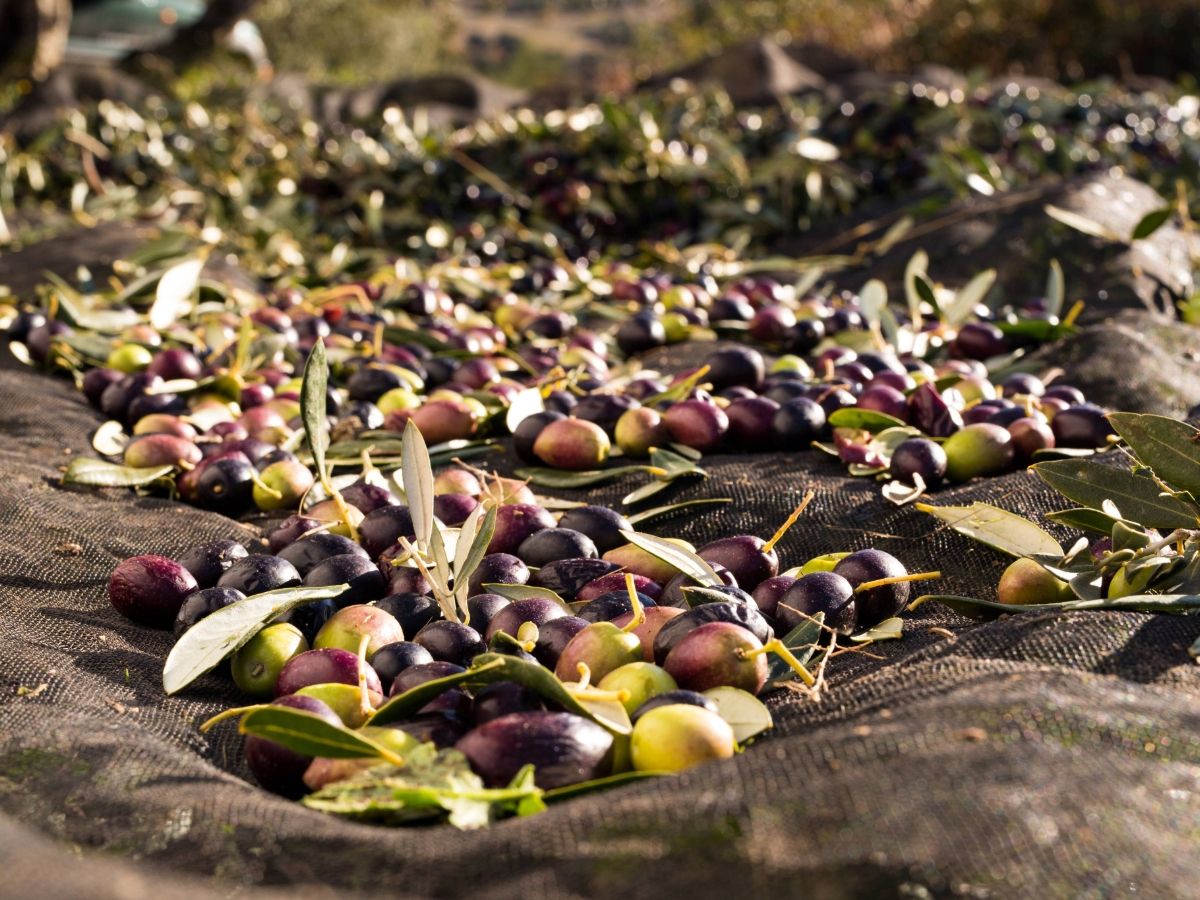
The summer climate conditions of 2026 provide an important initial quality benefit: high summer temperatures prevented the proliferation of the olive fruit fly throughout the country, apart from very rare and localised appearances in the final period. The absence of the pest ensures whole, healthy olives, an essential prerequisite for obtaining oils with exceptionally low levels of acidity and peroxides.
At the same time, the prolonged lack of rainfall is having a profound effect on fruit development, affecting the oil's phenolic profile. While for individual local producers this water stress risks resulting in oils that are unbalanced or have a "woody bitter" profile, Carapelli acts as a guarantor of quality. Today, to preserve bioactive properties, organoleptic characteristics and freshness, it is no longer possible to rely on the traditional calendar: it is necessary to monitor fruit development week by week and bring harvesting forward, applying strict selection standards.
Completing the company's vision for the new olive oil campaign is the perspective of the team of tasters and blending experts, guardians of Carapelli's sensory signature. The challenge for the Blending Masters, in fact, is to interpret nature without betraying the expectations of those who choose Carapelli. Faced with a healthy but organoleptically uneven harvest, blending makes it possible to select and combine the finest territorial and varietal nuances to recreate the harmony and continuity of taste that Italian and international consumers recognise and seek every day.
A look at the Mediterranean basin
The need for agronomic and commercial adaptation concerns the entire Mediterranean basin, where the production map for 2026-2027 shows highly uneven dynamics. Spain is recording a strong recovery in production, reaching around 1,6 million tonnes (+23%), aided by rainfall in Andalusia. Turkey is recording a significant rebound, approaching 400.000 tonnes, once again becoming a key basin for volume and quality. Greece confirms an upward trend, with around 280.000 tonnes expected and an aromatic profile of excellent quality. Tunisia, following the record figures of the previous year, is facing a contraction in production with 300.000 tonnes, due to alternate bearing and the dry climate.
This article was translated from the original Italian version with the assistance of artificial intelligence. In case of discrepancies, please refer to the original Italian version.