Sanicat on “cat parenting”: 7 Italians out of 10 consider their cat a family member
Sanicat on “cat parenting”: 7 Italians out of 10 consider their cat a family member
- Information
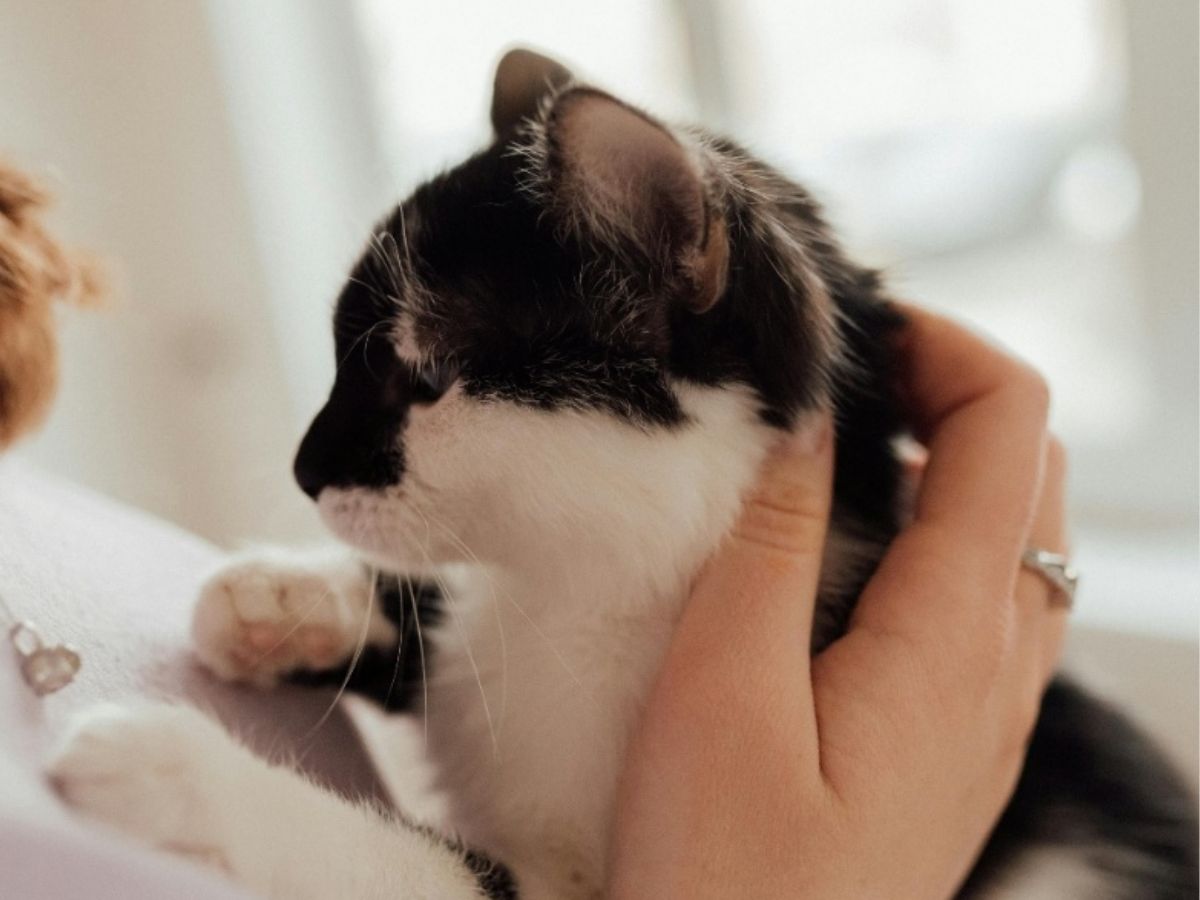
According to the 3rd Feline Barometer by Sanicat, 7 Italian owners out of 10 identify as the “mother” or “father” of their cat and actively invest in its emotional and material wellbeing.
The phenomenon, known as “cat parenting”, is particularly pronounced among young adults (25-39 years) with 73%, but it also remains very strong among those over 60 (56%). There is virtually no gender difference: 68% of women and 61% of men identify with this outlook.
A new family model
In Italy, there are around 11 million domestic cats, making them among the most widespread companion animals in the country. In this context, “cat parenting” is becoming a genuine family model, capable of influencing lifestyles and daily habits.
It is enough to consider that half of Italians who live with a cat say they celebrate its birthday or other special occasions (such as Christmas) with dedicated gifts, and 23% do so regularly. Here too, the youngest age groups (25-39 years) are leading the trend (30%), while among those over 60 the proportion falls to 24%. Only 17% of respondents say they buy gifts exclusively when necessary.
Emotional and social value
That cats provide emotional support is indisputable, to the extent that 9 Italians out of 10 say that their cats’ purring has a positive effect on daily life, and 56% confirm that their presence offers comfort, security and emotional connection. As many as believe that having a cat at home has significantly improved family or cohabitation dynamics is 34% of respondents, while 42% say that their feline is an excellent conversation starter and helps create closeness with others, confirming the role of cats not only as life companions, but also as valuable facilitators of social connections.
The data from the 3rd Sanicat Feline Barometer clearly show how cats have moved beyond their traditional role to become protagonists of domestic life, making a tangible contribution to the emotional wellbeing of those who live with them.
This article was translated from the original Italian version with the assistance of artificial intelligence. In case of discrepancies, please refer to the original Italian version.